Product Update
Is Eco For Life Still in Business? (2026 Update)
Is Eco For Life from Dragons’ Den still around in 2026? The deal it made, the dragons who invested, and where to buy Eco For Life today.

Where to buy Eco For Life
Check the current price and availability on Amazon.
Affiliate link — we may earn a commission at no extra cost to you.
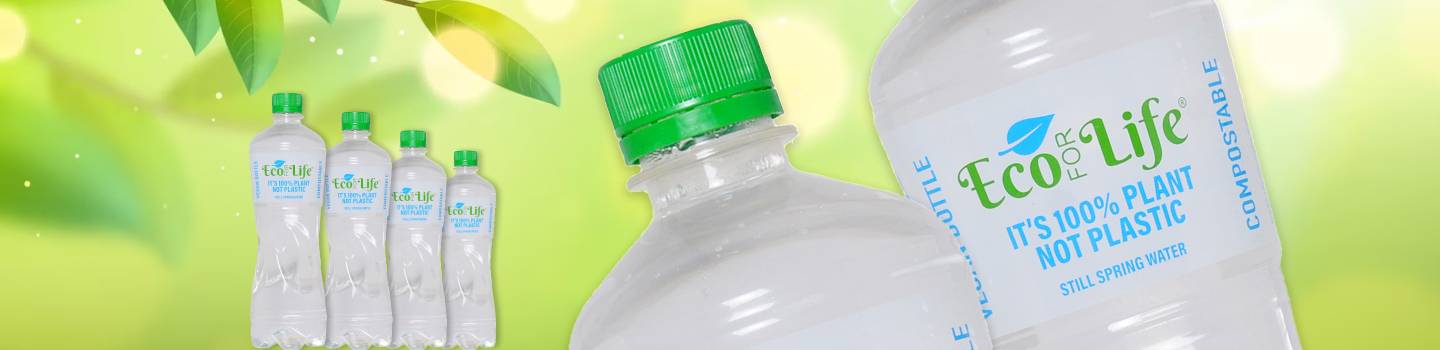
Eco For Life pitched plant-based water bottles made from corn starch instead of plastic in Series 17, Episode 13 of Dragons' Den. The short answer for anyone tracking this one down is yes, the bottles are still on sale, though the brand now leans on retail partners rather than a big consumer-facing website of its own.
The Short Answer
Eco For Life is still in business. The bottles, made from PLA, a corn-derived bioplastic, are listed for sale through UK water and packaging retailers including Hydrate Direct and Plant Made Bottles, both of which carry current stock and pricing rather than dead product pages.
Our own index shows Eco For Life without its own dedicated storefront, and that matches what shows up in the wild: the brand's presence is built around wholesale and retail partnerships rather than a big direct-to-consumer site. For anyone searching directly for an "Eco For Life" website expecting a big consumer brand, that absence can read as a red flag when it is really just a different, and in packaging terms perfectly normal, distribution strategy.
The Pitch
Founder Mike Shore pitched Eco For Life in Series 17, Episode 13, asking for £50,000 in exchange for 33 percent of the company, a generous equity stake that reflected both the early stage of the business and how capital-intensive bottle manufacturing can be.
The pitch centred on sustainability: bottles made from an annually renewable plant source rather than fossil fuels, producing meaningfully less greenhouse gas and using less fossil fuel in manufacturing than standard plastic. It landed at a moment when single-use plastic was becoming a mainstream consumer concern, and it landed a deal.
Coverage from Sustainable Packaging News and Bioplastics News at the time framed the pitch as a genuine step forward for the industry, with a sustainability innovator credited alongside the founder for helping shape the product ahead of filming. That level of trade press attention outside the usual consumer coverage suggests the packaging industry itself took the pitch seriously, not just viewers at home.
Why the Bioplastic Bottle Category Is a Hard One
Corn-based bioplastic packaging is a genuinely difficult category to build a lasting consumer brand in. PLA bottles need proper industrial composting facilities to break down as advertised, supply chains for the raw material are thinner than standard plastics, and margins get squeezed by both traditional plastic bottlers and newer reusable-bottle brands competing for the same eco-conscious shopper.
Plenty of sustainable packaging start-ups that pitched around the same period as Eco For Life did not make it this far. Staying in retailers' catalogues years after a single televised pitch is a real result in a category with this much churn.
There is also a straightforward commercial logic to why Eco For Life shifted toward a wholesale model rather than chasing direct-to-consumer sales. Selling bottled water direct to individual households is a low-margin, logistics-heavy business on its own. Selling a sustainable bottle format into other retailers and drinks brands lets the company focus on what it actually makes, the bottle, rather than competing with every other water brand on the shelf.
Where to Buy Eco For Life Today
You will not find a flashy Eco For Life storefront to browse. Instead, the bottles turn up as a named product line inside retailers that specialise in sustainable packaging and drinks supply, including Hydrate Direct's spring water bottles and Plant Made Bottles' biodegradable bottle range.
That is a common and perfectly viable path for a packaging-focused business: sell into other people's shops rather than run a consumer storefront of your own. It also means the brand's visibility to an average shopper is lower than a company running its own marketing-heavy website, which explains why searches for the company can turn up sparse compared with more consumer-facing Dragons' Den alumni.
Where Things Stand Now
Eco For Life pitched in Series 17, Episode 13, asked for £50,000 for 33 percent, and secured a deal in the Den. Years later, the corn-based bottles are still listed and sold through UK packaging and drinks retailers, with current pricing and stock levels rather than legacy pages left untouched for years.
If you came here wondering whether the corn-plastic bottle company from the Den survived, it did, just not as a household consumer brand with its own big website. It survived as a supplier, which for a packaging business is arguably the more durable place to be.
As an Amazon Associate, Dragons' Den Index earns from qualifying purchases.
Where to buy Eco For Life
Still selling as of 2 June 2026. Check today's price and availability.
Affiliate link — we may earn a commission at no extra cost to you.
See the full Eco For Life deal breakdown and term sheet →