Product Update
Is Reestore Still in Business? (2026 Update)
Is Reestore from Dragons’ Den still around in 2026? The deal it made, the dragons who invested, and where to buy Reestore today.

Where to buy Reestore
Check the current price and availability on Amazon.
Affiliate link — we may earn a commission at no extra cost to you.
Reestore turned shopping trolleys and roll-top baths into furniture, and more than fifteen years after its Dragons' Den pitch, founder Max McMurdo is still doing exactly that. If you are trying to work out whether the business survived, the short answer is yes.
The Short Answer
Reestore is still trading. The brand continues to design and sell upcycled furniture made from everyday waste objects, and its client list now includes names considerably bigger than the average design studio.
That kind of staying power matters in a niche as trend-dependent as upcycled design. A lot of eco-design brands that pitched around the same time have quietly closed. Reestore did not, and it has instead deepened its relationships with the kind of clients most small design studios never get near.
The Dragons' Den Pitch
McMurdo appeared in series 5, episode 4, pitching Reestore in the Green & CleanTech category. His idea was simple to explain and hard to execute well: take waste objects, shopping trolleys, oil drums, bath tubs, and turn them into functional furniture people would actually want to buy.
He asked for 50,000 pounds in exchange for 30 percent of the business, a straightforward ask that put a clear value on a young design brand still proving its commercial legs.
The Deal That Got Done
Deborah Meaden and Theo Paphitis teamed up to back the pitch, investing the full 50,000 pounds for the 30 percent asked. Two dragons splitting a deal usually signals that the idea impressed more than one investor enough to want a piece, without either wanting to carry the whole risk alone.
Meaden's eye for sustainable, well-run consumer brands and Paphitis's retail instincts made for a sensible pairing behind a business built entirely around eco-conscious design.
From Trolleys to Google's Offices
The investment helped Reestore move from a one-man upcycling operation into a proper design business with commercial clients. The Body Shop bought more than two hundred of McMurdo's bathtub chairs for stores worldwide, and Reestore has completed installations for Google's offices internationally.
That is a meaningful jump for a brand that started with a single trolley-turned-chair concept in the Den. Landing corporate clients at that scale means the work held up against professional buyers, not just design-blog admirers.
Why Upcycled Design Had Staying Power
A lot of eco-conscious design brands from the same era leaned heavily on novelty, a chair made from a trolley is a fun story once, but it needs to also be a genuinely good chair for anyone to buy a second one. Reestore's pieces held up on function and finish, not just on the story behind the material, which is what let the brand move from craft fairs and design blogs into serious commercial contracts.
McMurdo also built a public profile as a broadcaster and speaker on sustainable design well beyond the Reestore product line itself, appearing on other home and design programmes. That kind of personal brand tends to feed back into the underlying business, keeping it visible to new corporate clients long after the initial television appearance has faded from memory.
What This Means for the Wider Eco-Design Category
Reestore's survival is a useful reference point for the broader upcycled design market, which is a category that has become considerably more crowded since the pitch as sustainability has moved from a niche selling point to a mainstream expectation. Standing out now requires more than an eco-friendly story, buyers expect the finished piece to genuinely compete with conventional furniture on quality.
The corporate client list is the clearest evidence that Reestore has managed that. Google and The Body Shop are not buying furniture out of goodwill, they are buying it because it works in their spaces, which is a stronger signal of a business's health than any amount of design-press coverage.
Where Things Stand Now
Here is the recap. Reestore pitched in series 5 with a portfolio of furniture made from waste, asked for 50,000 pounds for 30 percent, and got it from Deborah Meaden and Theo Paphitis together.
Today the business is still active under Max McMurdo, still selling upcycled furniture, and still landing clients well beyond what a series 5 pitch might have suggested was possible. If you came here wondering whether Reestore made it, it did, and it is still making chairs out of things most people would put in a skip.
As an Amazon Associate, Dragons' Den Index earns from qualifying purchases.
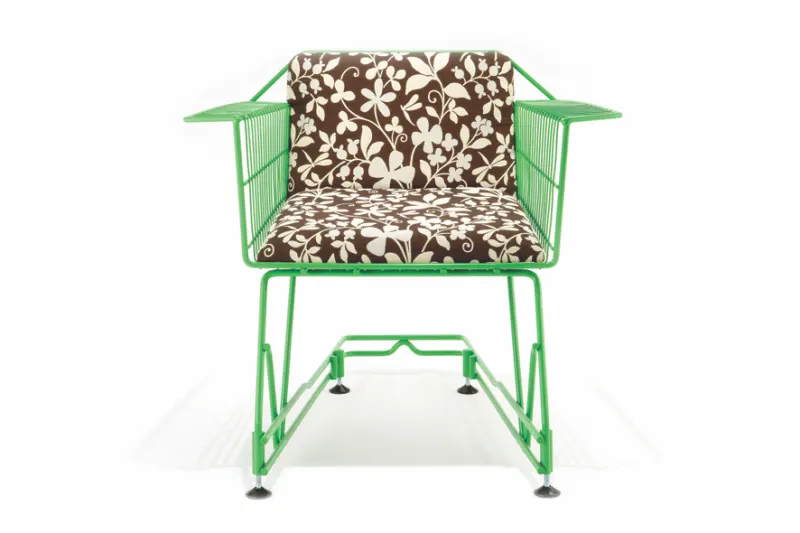
Where to buy Reestore
Still selling as of 24 February 2026. Check today's price and availability.
Affiliate link — we may earn a commission at no extra cost to you.
See the full Reestore deal breakdown and term sheet →