Product Update
What Happened to Pure Pet Food After Dragons’ Den?
Pure Pet Food left the Den without a deal. Here is what happened next: how the pitch went, why the dragons passed, and where Pure Pet Food is today.

Where to buy Pure Pet Food
Check the current price and availability on Amazon.
Affiliate link — we may earn a commission at no extra cost to you.
Pure Pet Food's pitch is remembered as one of the strongest the show has ever seen, with Duncan Bannatyne calling it possibly the best pitch he had watched in over ten years on the panel. Two Dragons made offers. The founders turned both down, judging the terms did not work for them, and built the business on their own instead.
The Short Answer
Pure Pet Food is still in business, and it has become one of the more genuinely successful stories to come out of Dragons' Den, deal or no deal. The company has since built a run rate reported at around £25 million, delivered more than 65 million meals to dogs across the UK, and is sold both online and through major retail chains including Pets at Home.
That is a significant jump from where the company stood when it walked into the Den in 2014, and it happened entirely without Dragons' Den money behind it.
The Pitch
The founders, Daniel Eha among them, pitched air-dried dog food in series 12, episode 2, asking for £40,000 for 30 percent of the business. Air drying preserves more nutritional value than traditional kibble processing while avoiding the cost and complexity of freeze-drying, giving the product a genuine point of difference in a crowded pet food market.
The pitch itself became something of a benchmark for the show. Duncan Bannatyne's on-air praise, calling it possibly the best pitch he had seen in over a decade of the programme, is the kind of endorsement that tends to outlive the specific deal outcome in people's memory.
Two Offers, No Deal
Despite winning over two Dragons, the founders declined both offers. The terms on the table did not suit what they wanted for the business going forward, and rather than accept a deal that felt wrong, they walked away and chose to fund growth themselves.
That is a bolder call than it sounds. Turning down investment after genuinely impressing the panel takes real conviction that the business can do better without it, and Pure Pet Food's later numbers suggest that conviction was justified.
What Happened After
Pure Pet Food scaled significantly in the years following its Den appearance, reaching a reported run rate of around £25 million and delivering more than 65 million meals to dogs across the UK. The brand secured retail distribution through Pets at Home, one of the UK's largest pet retail chains, alongside its own direct-to-consumer website.
That combination of strong direct sales and major retail listing is generally the sign of a food brand that has moved past its early growing pains into a stable, repeatable business.
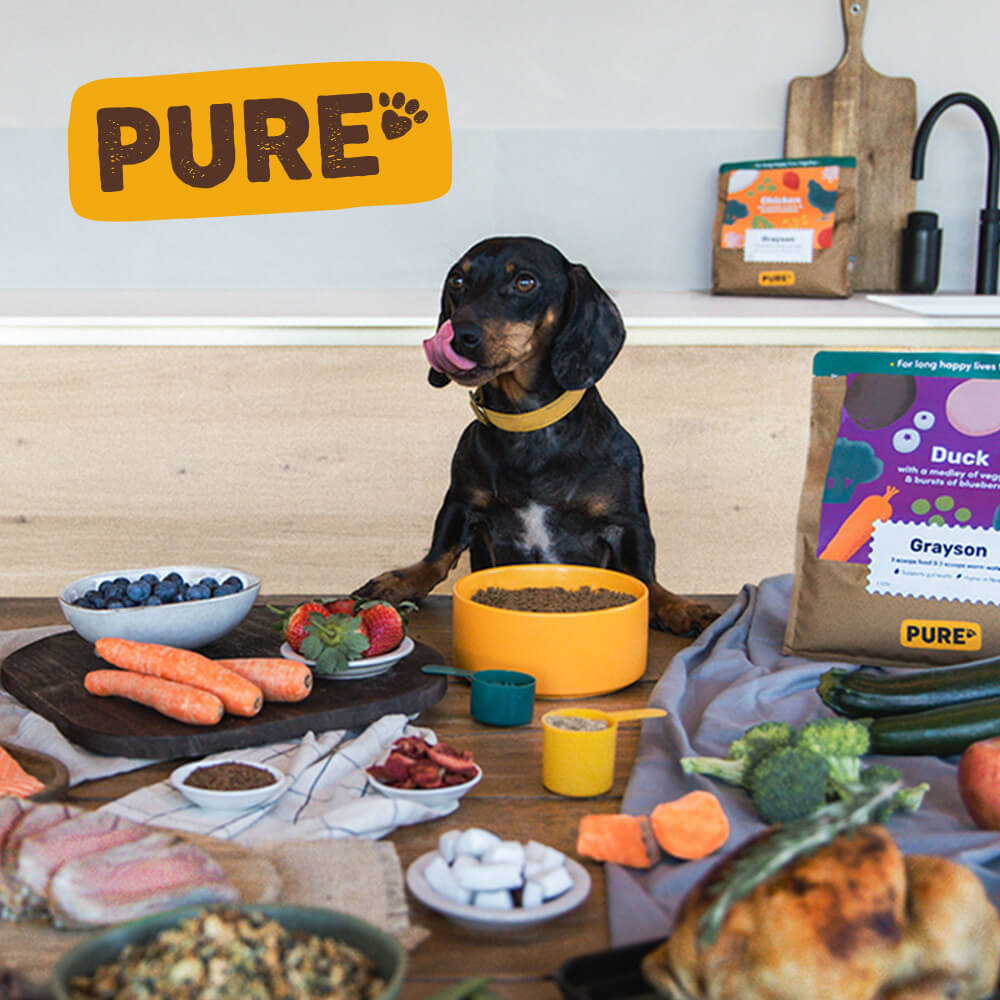
The company has continued to lean on its air-drying process as its core point of difference, marketing it as preserving more of the meat's natural nutrients than extruded kibble while still being more convenient and shelf-stable for owners than raw or fully freeze-dried alternatives.
Why Turning Down the Deal Worked
Pet food is a category built on trust and repeat purchase; owners who find a food their dog does well on tend to stick with it for years. That gives a strong product genuine staying power once it clears the initial trial hurdle, which is likely a big part of why Pure Pet Food could grow this fast without outside capital diluting the founders' control.
It also helps that the founders clearly knew their numbers well enough to judge the Dragons' terms were not worth taking, a level of financial confidence that does not always come through on the night but showed up clearly in what followed.
A Case Study in Saying No
Pure Pet Food is often cited alongside other Den alumni who declined offers as evidence that a deal is not automatically the best outcome for every founder. Securing offers in the first place validates the pitch and the product; walking away from them, when the terms genuinely do not work, keeps full control and full upside with the people who built the business.
Getting that call right requires real confidence in your own growth plan, and a run rate in the tens of millions of pounds within roughly a decade of the pitch is about as strong a vindication of that confidence as a founder could ask for.
The Bottom Line
Pure Pet Food asked for £40,000 for 30 percent, impressed two Dragons enough to get offers, and turned both down anyway, building a roughly £25 million run-rate business independently.
If you came here to check whether the air-dried dog food brand made it, it clearly did, and it is now one of the standout success stories among Den alumni who walked out with no deal at all.
As an Amazon Associate, Dragons' Den Index earns from qualifying purchases.
Where to buy Pure Pet Food
Still selling as of 1 July 2026. Check today's price and availability.
Affiliate link — we may earn a commission at no extra cost to you.
See the full Pure Pet Food deal breakdown and term sheet →