Product Update
Is Brain Fud Drinks Still in Business? (2026 Update)
Is Brain Fud Drinks from Dragons’ Den still around in 2026? The deal it made, the dragons who invested, and where to buy Brain Fud Drinks today.


Where to buy Brain Fud Drinks
Check the current price and availability on Amazon.
Affiliate link — we may earn a commission at no extra cost to you.
Brain Fud pitched itself as a natural energy drink, positioned as a healthier alternative to the usual sugar-and-caffeine energy category. The short answer to whether it is still in business is yes, though these days the brand goes by a slightly different name.
The Short Answer
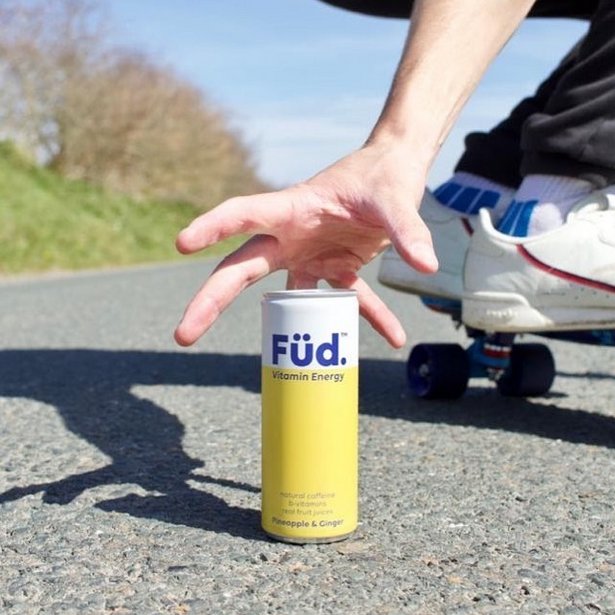
The company is still trading and still selling its energy drink, now branded Fud (formerly Brain Fud), through its own site and various online retailers, including Amazon. That is worth noting given how many Dragons' Den drinks brands quietly disappear within a year or two; this one is still on shelves.
As with a couple of other pitches in this batch, the business is still going, but not on the terms agreed in the studio.
The Pitch
Brain Fud appeared in Series 17, Episode 11, with the founders asking for £50,000 in exchange for 30 percent of the business. The pitch centred on a natural energy drink formulated around vitamins rather than the sugar-heavy formulas common in the category, aimed at people who wanted an energy boost without the usual crash.
Peter Jones was the Dragon who saw something worth backing, describing the odds of success as slim but still worth taking a chance on. The energy drinks category is notoriously crowded and dominated by a handful of huge global brands, which makes any pitch in this space a harder sell than usual, since the panel has to believe a small challenger can actually carve out shelf space against established giants.
The natural, vitamin-based positioning was the differentiator, aimed at a growing segment of consumers who wanted the alertness boost of a traditional energy drink without the sugar crash or the artificial ingredient list that comes with most mainstream options.
The Deal, and the U-Turn
Jones offered £50,000 for 30 percent, matching the founders' ask, and they accepted on camera. On paper, that's a full-ask deal, no worse terms than what was pitched.
After the show, though, the founders changed course. Rather than complete the deal with Jones, they turned to crowdfunding instead, launching a raise on Seedrs targeting £100,000 for just 7 percent of the business, a far better valuation than the one discussed in the Den. The raise not only hit its target but exceeded it, bringing in more than 200 new investors.
Crowdfunding platforms like Seedrs give founders a genuine alternative to a single-investor deal, spreading ownership across a large number of smaller backers rather than concentrating it with one Dragon. For a consumer brand with a story that resonates, that route can raise more money at a better valuation than a studio deal, precisely because a large crowd of small investors is often more willing to bet on brand potential than a single, more analytically minded investor negotiating one on one.
The Rebrand and Where It Stands Now
Around the same time, the company rebranded from Brain Fud to simply Fud, relaunching in the UK market on the back of the crowdfunding raise rather than Dragon investment. The product remains a vitamin-based natural energy drink, now with a wider retail footprint than it had when it pitched, including listings through Amazon.
It's another example of a company using its Den exposure as a launchpad rather than relying on the studio deal itself. The television appearance built the audience; the crowdfunding raise, at better terms, built the balance sheet. The rebrand from Brain Fud to Fud also gave the company a cleaner, more exportable name as it grew beyond its original UK-only ambitions.
Why This Counts as a Genuine Success Story
It would be easy to read a founder turning down Peter Jones as a bad sign, given how strong his reputation is as an investor. In this case, the opposite appears to be true. The founders backed their own conviction in the brand's value over the Den's offer, went out and proved that conviction with a crowdfunding raise that beat its target, and ended up with more capital, better terms and a wider base of backers than the single-Dragon deal would have delivered.
That's not a common outcome, but it is a real one, and it is worth remembering the next time a Dragons' Den company declines a deal that looked, on the surface, like a good result.
Where Things Stand Now
Brain Fud pitched in Series 17 for £50,000 and 30 percent, agreed that deal with Peter Jones on camera, then walked away from it in favour of a crowdfunding raise at better terms, rebranding to Fud in the process.
The drink is still on sale today under its new name, which makes this one of the more successful pivots among the pitches that didn't end up completing their on-air deal, now available through Amazon alongside its own direct online store.
As an Amazon Associate, Dragons' Den Index earns from qualifying purchases.
Where to buy Brain Fud Drinks
Still selling as of 1 June 2026. Check today's price and availability.
Affiliate link — we may earn a commission at no extra cost to you.
See the full Brain Fud Drinks deal breakdown and term sheet →