Product Update
Is Rapstrap Still in Business? (2026 Update)
Is Rapstrap from Dragons’ Den still around in 2026? The deal it made, the dragons who invested, and where to buy Rapstrap today.
Where to buy Rapstrap
Check the current price and availability on Amazon.
Affiliate link — we may earn a commission at no extra cost to you.
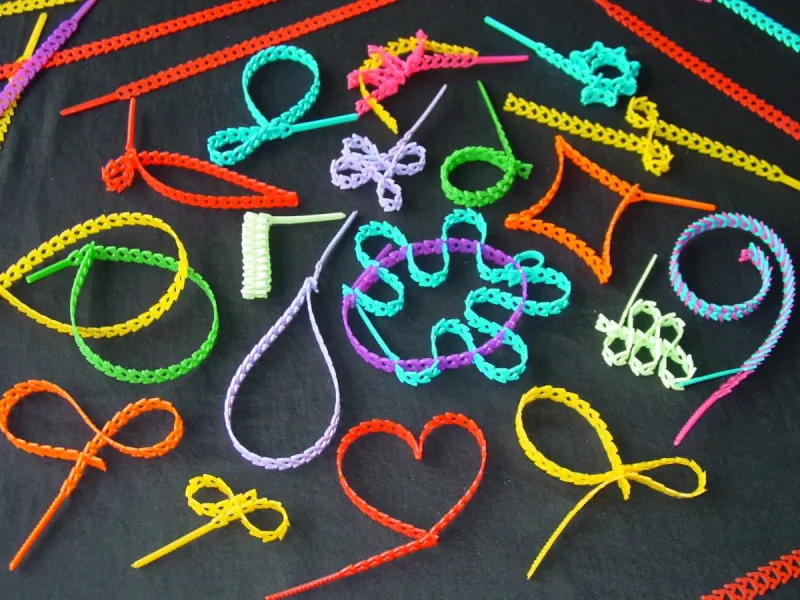
Rapstrap pitched a waste-free, reusable alternative to standard nylon cable ties in series 6, and it went on to become one of the most commercially successful products to ever come out of the Den. Short answer: yes, still trading, and still selling the same core idea it pitched with.
The pitch and the deal
Rapstrap appeared in series 6, episode 4, pitching a stretchy, reusable, waste-reducing cable tie designed as an alternative to the single-use nylon ties that dominate the market. The founders asked for £150,000 in exchange for 50 percent of the business.
Duncan Bannatyne and James Caan made the joint offer at those terms, £150,000 for 50 percent, a substantial equity stake reflecting both the size of the ask relative to the business and the dragons' confidence in the product's manufacturing and distribution potential.
Giving up half the company for £150,000 is a steep price, and it tends to happen when founders need the cash more than they need to protect ownership, or when the dragons see enough upside in a product to justify pushing hard on terms. Either way, the size of the equity stake meant Bannatyne and Caan had real financial exposure to whatever came next, which likely sharpened their interest in helping the product scale quickly.
The deal that followed the deal
The Dragons' Den investment led directly to a significant follow-on deal, reported at around £36 million, that put Rapstrap into mass production through Maxell, part of the Japanese Hitachi group, and secured a multi-million pound global distribution arrangement with Schneider Electric.
That combination, a Dragons' Den cheque that unlocked serious manufacturing scale and a major global distribution partner, is close to the best-case outcome the show can produce for a physical product business. It also generated a well-documented patent dispute along the way, which is its own reminder that commercial success and legal complications often travel together.
The patent dispute, briefly
Success at the scale Rapstrap achieved tends to attract legal scrutiny, and this was no exception. Reporting at the time detailed a dispute involving the Dragons themselves over whether the product infringed on an existing patent, a genuinely awkward situation given how publicly the deal had been made on national television.
The dispute did not derail the business in any lasting way. Rapstrap continued manufacturing and distributing at scale through its Maxell and Schneider Electric partnerships regardless, and the controversy has largely faded from view compared with the product's ongoing commercial run.
Where things stand now
Rapstrap is still trading today. The company's website continues to sell the original stretchy tie-strip product alongside newer additions, including quick-release i-Ties for cable bundling and a biodegradable, water-soluble line made from materials designed to break down safely in soil and compost. The products remain available directly from the company as well as through a range of UK trade and cable-management distributors.
The core pitch, a reusable, less wasteful alternative to disposable nylon ties, has held up well against a growing customer appetite for exactly that kind of sustainability story, which has likely helped keep the product relevant well beyond its original launch window.
One of the show's clearer benchmarks
When people ask what a genuinely successful Dragons' Den outcome looks like, Rapstrap tends to come up as a reference point precisely because of how directly the pieces connect: a physical product with a real manufacturing edge, a Dragons' Den cheque that unlocked mass production, and a global distribution deal that turned a niche cable tie into a product sold at real scale.
Not every product pitch can replicate that path, most physical products do not have the same combination of patentable design and universal, low-friction use case that Rapstrap had. But as a case study in what the format can produce at its best, it remains one of the stronger examples.
The verdict
Rapstrap is still in business, close to two decades after its series 6 pitch and its £150,000 deal with Duncan Bannatyne and James Caan. The product line has grown, from the original stretch tie to quick-release and biodegradable variants, and the company still sells directly to trade and retail customers.
It stands as one of the clearer Dragons' Den success stories, a genuinely useful, patentable product that turned a TV cheque into serious manufacturing scale and has kept selling ever since.
As an Amazon Associate, Dragons' Den Index earns from qualifying purchases.
Where to buy Rapstrap
Still selling as of 6 January 2026. Check today's price and availability.
Affiliate link — we may earn a commission at no extra cost to you.
See the full Rapstrap deal breakdown and term sheet →
More from Green & CleanTech
 Deal
DealMycorrhizal Systems
Land for a truffle farm
 Deal
DealReestore
Functional pieces of furniture from waste objects
 No Deal
Very PC
Eco-friendly low energy PCs
 Deal
DealTiny Box
Unique recycled packaging company