Product Update
Is RBR Legflow Still in Business? (2026 Update)
Is RBR Legflow from Dragons’ Den still around in 2026? The deal it made, the dragons who invested, and where to buy RBR Legflow today.
Where to buy RBR Legflow
Check the current price and availability on Amazon.
Affiliate link — we may earn a commission at no extra cost to you.
Paul Westerman's pitch for RBR Legflow started with a near-death experience, not a spreadsheet. He developed the device after collapsing nine days before his wedding with a life-threatening deep vein thrombosis, and he brought the product he built out of that experience into the Den asking for backing. The company is still standing, and the mission behind it has only grown since.
The short answer
RBR Legflow is still in business, with its own active website and continued coverage of its expansion into care homes and travel-related uses. This is one of the more clearly documented still-trading outcomes in this batch, helped by the fact that the product addresses a serious medical risk that keeps generating ongoing press interest.
Sales have reportedly grown since the Den appearance aired, driven partly by the exposure and partly by the product's genuine relevance to a health risk that affects a large number of people every year.
The pitch
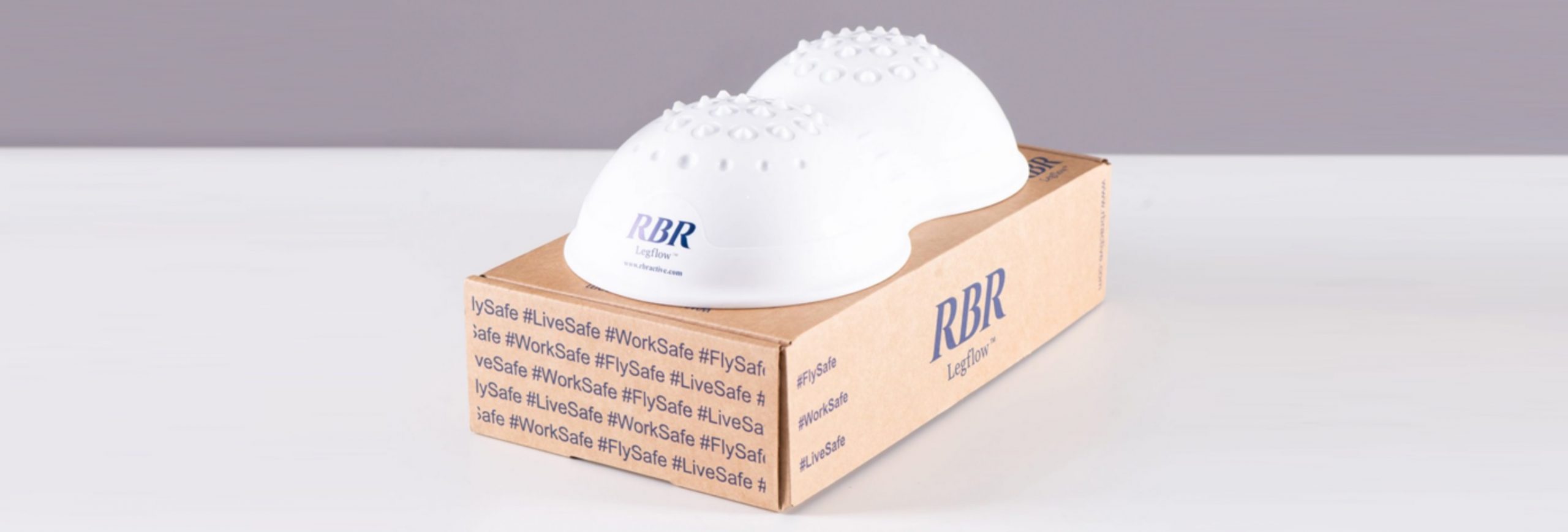
Paul Westerman, managing director of RBR Active and based in Sawtry, Cambridgeshire, developed the Legflow device after nearly dying from a bilateral pulmonary embolism caused by DVT in 2011. The device itself is a small floor unit with two domed, patterned platforms that the user's feet rest on, designed to significantly increase lower limb blood flow through three simple foot exercises, aimed at reducing DVT risk in situations like long-haul flights, hospital recovery, or extended periods of immobility.
He brought the pitch to the Den in series 19, episode 9, asking for £50,000 in exchange for 35 per cent of the business, a deeply personal pitch built on the kind of medical scare that tends to focus a founder's mission with unusual clarity.
The deal
Touker Suleyman made the offer, backing the full £50,000 for the 35 per cent stake on the table. Touker has a track record backing founders with strong personal conviction behind their product, and a device built from genuine lived experience with a serious medical condition tends to carry real credibility in a pitch.
The deal gave Westerman the capital to push the product into new markets beyond individual consumers, specifically institutional buyers like care homes and organisations concerned with staff and resident wellbeing.
The wider impact
Since the pitch, RBR Legflow has been positioned in discussions with airlines, care homes, and sports clubs, organisations where prolonged sitting or immobility raises DVT risk for the people they are responsible for. DVT and related venous thrombosis are linked to around 30,000 deaths in the UK each year, which gives the product a genuinely large addressable problem well beyond the novelty of a single Den appearance.
That combination, a real health risk, a device with clinical testing behind its blood-flow claims, and a founder with a personal stake in the outcome, has helped keep the story in front of local and trade press well after the episode aired.
Where things stand now
RBR Legflow continues to sell direct through its own website and has been reported expanding into institutional settings such as care homes, where the device is marketed as a tool to reduce blood clot risk among residents who may be less mobile. Local press has also covered rising sales in the period following the Den broadcast.
For a medical device business born out of a personal health crisis, that trajectory, from one man's near-death experience to a product being discussed with airlines and care providers, is a strong outcome.
The verdict
RBR Legflow asked for £50,000 for 35 per cent in series 19 and secured the full amount from Touker Suleyman. The company is still active today, selling directly online and expanding into institutional markets like care homes and travel, built on a product with a clear and ongoing public health rationale behind it.
Common questions
Who invested in RBR Legflow? Touker Suleyman backed the pitch fully, offering the £50,000 asked for in exchange for 35 per cent of the business.
What inspired the RBR Legflow device? Founder Paul Westerman developed it after nearly dying from a bilateral pulmonary embolism caused by deep vein thrombosis nine days before his own wedding in 2011.
How does RBR Legflow work? It is a small floor device with two domed, textured platforms for the feet, designed to significantly increase lower limb blood flow through three simple exercises, reducing DVT risk during long periods of immobility.
Is RBR Legflow still available to buy? Yes. The company continues to sell directly through its own website and has expanded discussions into care homes, airlines, and sports clubs.
As an Amazon Associate, Dragons' Den Index earns from qualifying purchases.
Where to buy RBR Legflow
Still selling as of 11 June 2026. Check today's price and availability.
Affiliate link — we may earn a commission at no extra cost to you.
See the full RBR Legflow deal breakdown and term sheet →
More from Health & Wellness
 No Deal
Elite Sport
Protein nutritional supplements
 Deal
DealFoot Deodoriser
Sanitiser that kills bacteria within shoes
 Deal
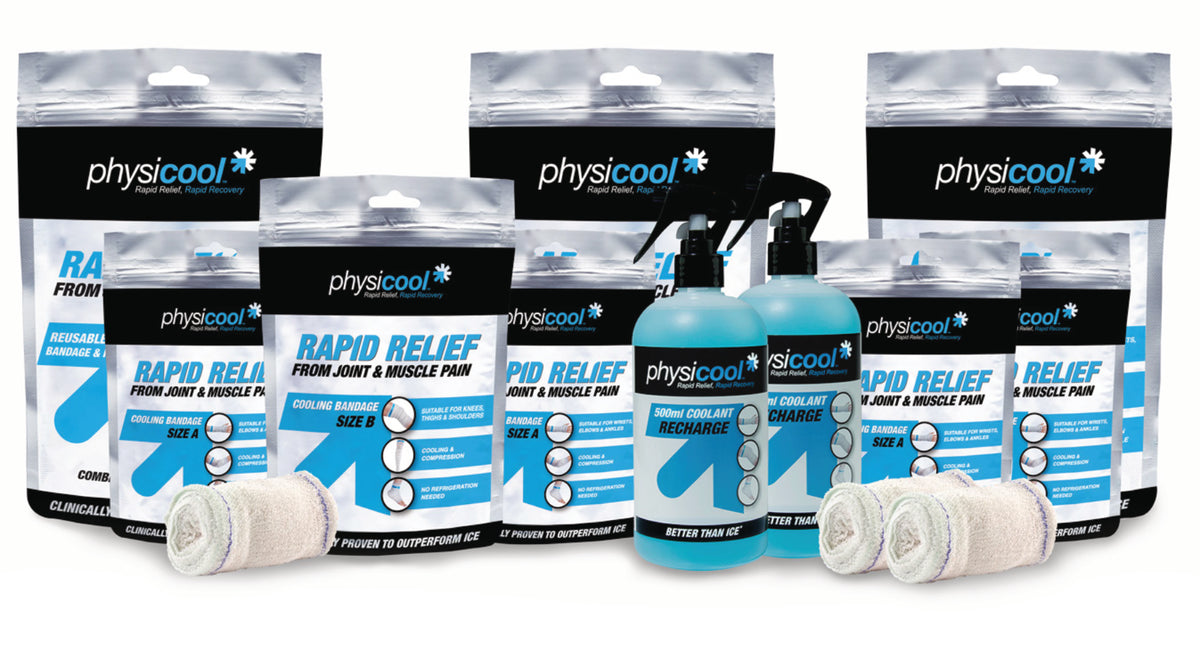
DealPhysicool Ltd
A bandage that reduces the temperature gently via evaporation
 No Deal
To Zo
Wearable folder for spectacles and sunglasses