Product Update
Is Rem Pods Still in Business? (2026 Update)
Is Rem Pods from Dragons’ Den still around in 2026? The deal it made, the dragons who invested, and where to buy Rem Pods today.


Where to buy Rem Pods
Check the current price and availability on Amazon.
Affiliate link — we may earn a commission at no extra cost to you.
Rem Pods pitched pop-up rooms styled after past decades, designed to calm and reconnect people living with dementia by recreating a room from a period they remember well. It is one of the more quietly meaningful ideas to come out of the Den, and it is still going. The short answer is yes.
The short answer
Rem Pods is still in business. The company continues to install its reminiscence rooms in care homes and, more recently, in healthcare education settings, and it maintains an active social media and web presence promoting ongoing installations. That is solid, current evidence of a working business rather than a brand coasting on an old TV credit.
This is a specialist business-to-business service rather than a consumer product, so still selling here means still winning contracts to design and fit out reminiscence rooms, which the available evidence supports.
The pitch in the Den
Rem Pods appeared in Series 11, Episode 3, in the health and wellness category, pitching small, temporary pop-up rooms recreated from past decades, complete with period decor, furniture, and familiar objects like old radios, record players, and telephones, designed to be calming and grounding for people living with dementia or other forms of memory loss.
The founder, Richard Ernest, asked for 100,000 pounds in exchange for 45 percent of the company, giving up a substantial stake in a business built around a genuinely original piece of dementia care equipment rather than a product with obvious existing competitors.
The deal that got done
Peter Jones and Deborah Meaden backed the business jointly, putting up the full 100,000 pounds asked at the full 45 percent equity on the table.
The pitch reportedly raised some pointed questions in the Den about the ethics and effectiveness of the concept before the deal came together, which is not unusual for a genuinely novel healthcare idea. Two Dragons agreeing to back it anyway, rather than one taking the whole stake, suggested real confidence once those questions had been worked through on air.
What happened after the show
Rem Pods has continued to install its reminiscence rooms in care settings across the UK in the years since. One notable example is the installation of its equipment at Aberystwyth University's healthcare education centre, marking the company's first move from a purely care-home setting into higher education and clinical training, a genuine expansion of where the product gets used.
That kind of institutional adoption, moving from individual care homes into a university teaching environment, is a meaningful sign of a business that has built credibility well beyond its original television appearance.
Where things stand now
Here is the recap. Rem Pods pitched in Series 11, asked for 100,000 pounds for 45 percent, and got exactly that from Peter Jones and Deborah Meaden.
Today the company is still active, still installing reminiscence rooms in care and education settings, and still visible on social media promoting its work. If you came here wondering whether Rem Pods survived its Dragons' Den appearance, it did, and the idea appears to have only grown in where it is used since.
Why this idea has staying power
Dementia care is an area with growing demand and a genuine appetite for approaches that go beyond medication, particularly reminiscence and sensory therapy techniques that give people living with memory loss a tangible, familiar environment to engage with. Rem Pods sits squarely in that space, and the underlying need it addresses is not going away.
The move into a university healthcare education setting also points to a second, quieter growth avenue beyond care homes themselves, training the next generation of dementia care professionals using the same equipment used in frontline care. That kind of institutional buy-in tends to be stickier and longer-lasting than individual care-home contracts alone.
There is also a values dimension that seems to have helped rather than hurt the business over time. The pointed questions the Dragons asked on air about whether the concept genuinely helps people, rather than simply being a novelty, are the same questions care providers ask before committing budget. A product that can answer those questions convincingly tends to build the kind of long-term institutional trust that keeps contracts renewing year after year.
As an Amazon Associate, Dragons' Den Index earns from qualifying purchases.

Where to buy Rem Pods
Still selling as of 17 January 2026. Check today's price and availability.
Affiliate link — we may earn a commission at no extra cost to you.
See the full Rem Pods deal breakdown and term sheet →
More from Health & Wellness
 No Deal
Elite Sport
Protein nutritional supplements
 Deal
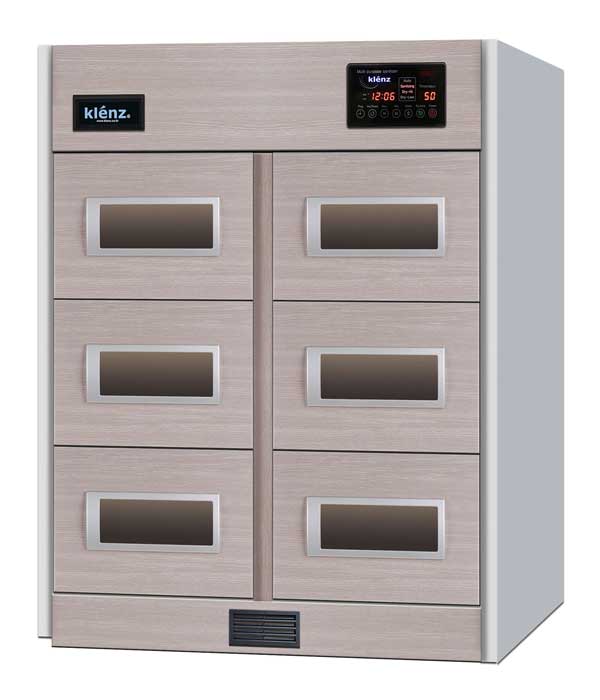
DealFoot Deodoriser
Sanitiser that kills bacteria within shoes
 Deal
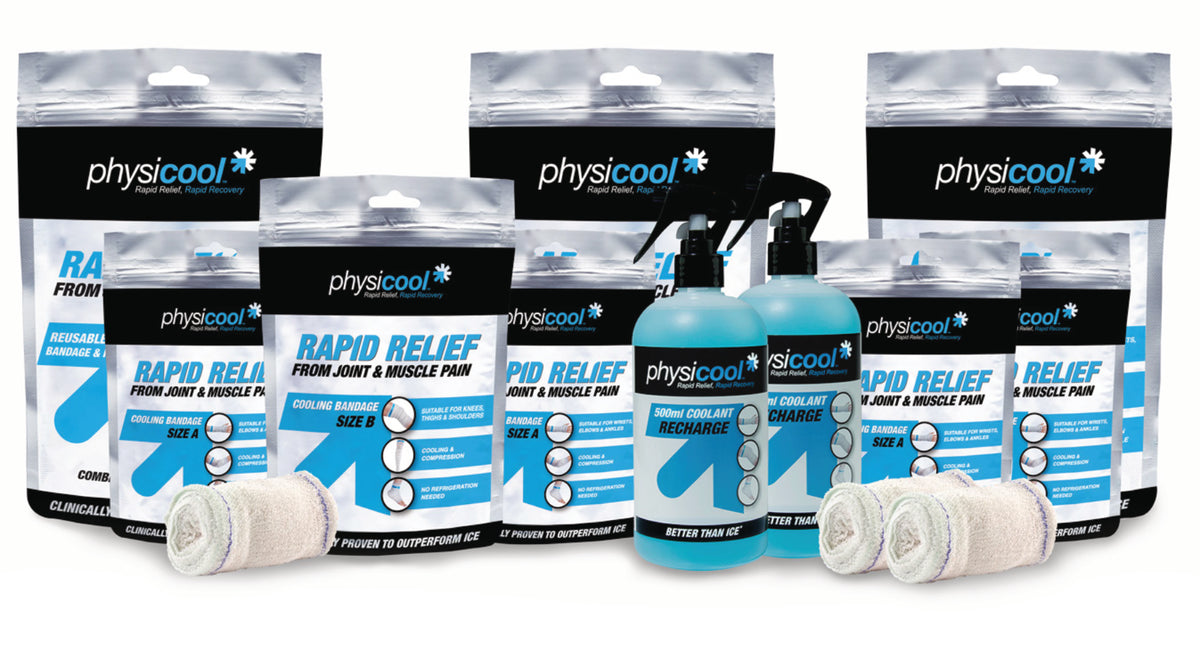
DealPhysicool Ltd
A bandage that reduces the temperature gently via evaporation
 No Deal
To Zo
Wearable folder for spectacles and sunglasses