Product Update
Is Skinny Dip Still in Business? (2026 Update)
Is Skinny Dip from Dragons’ Den still around in 2026? The deal it made, the dragons who invested, and where to buy Skinny Dip today.


Where to buy Skinny Dip
Check the current price and availability on Amazon.
Affiliate link — we may earn a commission at no extra cost to you.
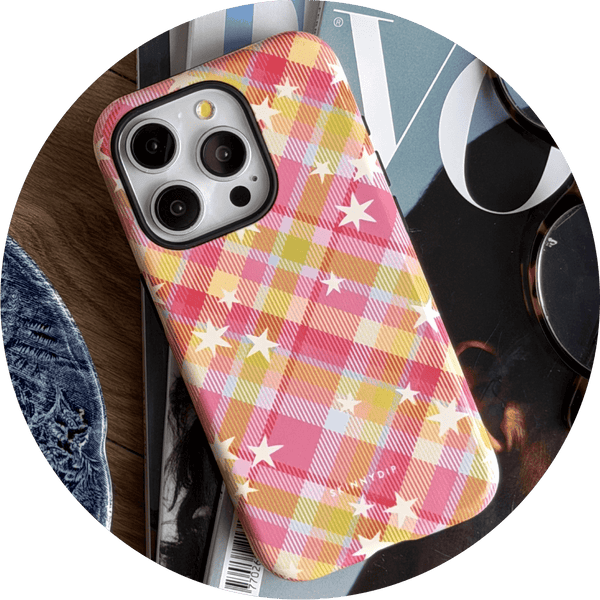
Skinnydip landed one of the more dramatic bidding wars in Dragons' Den history, with three Dragons competing to back the phone case and fashion tech brand. The deal that resulted did not survive past the show, but the company built without it is still very much open. If you are wondering whether Skinnydip is still in business, the answer is a clear yes.
The Short Answer
Skinnydip is still trading. The brand now runs its own stores, sells through major retailers including Topshop, River Island, Harvey Nichols and Asos, and has built a genuinely global footprint since its Series 10 appearance.
That success came without the Dragons' money. The on-air deal fell through after the episode, and the founders chose to grow the business by reinvesting their own profits rather than bringing in outside equity.
The Pitch
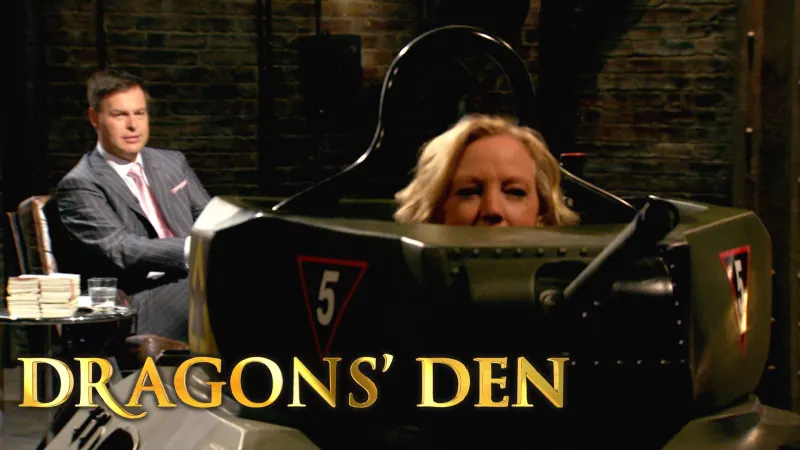
North London brothers James and Richard Gold, together with their friend Lewis Blitz, pitched Skinnydip in Series 10, Episode 1. The idea was fashion-forward phone cases and accessories at a time when the category was still fairly new to UK high street retail.
They asked for £120,000 in exchange for 20 percent of the company. It was a strong enough pitch that it did not just land one offer, it started a bidding war.
At the time, most phone cases sold in the UK were plain, protective and largely interchangeable. Skinnydip's pitch leaned into the idea that a phone case could be a genuine fashion statement, with bold prints, collaborations and seasonal drops closer to how a clothing brand would operate than a typical accessories supplier.
The Deal That Was Offered
Deborah Meaden, Peter Jones and Theo Paphitis all wanted in. Meaden and Paphitis both offered the full £120,000, with Meaden matching the original 20 percent ask and Paphitis asking for 25 percent.
The founders ultimately went with Peter Jones, agreeing to £120,000 for 30 percent, with Jones set to step down to an equal partnership once he had recouped his investment. It looked, on the night, like the strongest possible outcome for the founders.
A genuine three-way bidding war is rare on this show, and it says something about how strong the underlying pitch was that three separate Dragons, each with very different investment styles, all wanted a piece of the same small accessories business at once.
Why the Deal Never Closed
Despite the enthusiasm in the Den, the investment did not go through once the cameras stopped rolling. Deals falling apart during due diligence is common on this show, and Skinnydip is one of many companies where the on-air handshake and the eventual reality diverged.
Rather than treat that as a setback, the founders leaned into growing the business independently. They reinvested profits back into the company instead of seeking replacement outside funding, a slower but more controlled path to scale.
How Skinnydip Grew Without the Money
The Gold brothers and Lewis Blitz built Skinnydip around the early smartphone accessory boom, launching designs that treated phone cases as a genuine fashion category rather than an afterthought bought as protection. That timing mattered: phone case demand exploded through the 2010s as handsets became more expensive and more central to daily life.
Rather than chase further outside investment after the Den deal collapsed, the founders reinvested cash generated from wholesale and concession sales back into the brand, opening standalone stores as the retail side proved itself. That patient, profit-funded approach to expansion is part of why Skinnydip's story reads less like a rescue and more like a business that simply did not need the rescue in the first place.
Where Things Stand Now
Skinnydip pitched in Series 10 asking for £120,000 for 20 percent, sparked offers from three Dragons, and initially accepted a deal with Peter Jones for 30 percent that later fell through.
The company did not need the money in the end. Skinnydip now operates eight of its own stores including a flagship on Carnaby Street, sells through more than 100 concessions in around 60 countries, and remains one of the more visible success stories to come out of the Den, deal or no deal.
For anyone tracking the wider pattern across this series of pitches, Skinnydip sits alongside Zapper and Bionic Gloves as companies where a declined or collapsed deal turned out to be a non-event in the long run. It is a useful reminder that a headline offer in the Den is a moment of validation and free national exposure, but it is not the only route to building a lasting brand, and sometimes it is not even the most important one.
As an Amazon Associate, Dragons' Den Index earns from qualifying purchases.
Where to buy Skinny Dip
Still selling as of 22 April 2026. Check today's price and availability.
Affiliate link — we may earn a commission at no extra cost to you.
See the full Skinny Dip deal breakdown and term sheet →
More from Fashion & Beauty
 Deal
DealGrails Ltd 1
Tailor-made suits for businesswomen
 Deal
DealVisual Talent Ltd
Wonderland high- end fashion and culture magazine
 No Deal
Circaroma
Organic oil skincare
 Deal
DealScentsof Time
Perfumes from historical times which are re-created for today