Product Update
Is Vitiliglow Still in Business? (2026 Update)
Is Vitiliglow from Dragons’ Den still around in 2026? The deal it made, the dragons who invested, and where to buy Vitiliglow today.

Where to buy Vitiliglow
Check the current price and availability on Amazon.
Affiliate link — we may earn a commission at no extra cost to you.
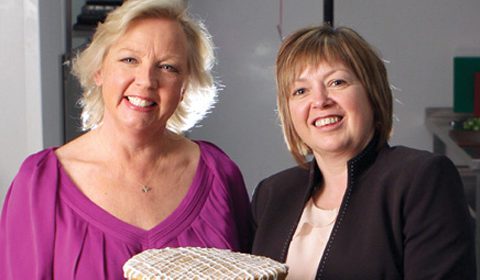
Vitiliglow pitched a skin foundation built specifically for people with vitiligo in series 13, asking for £38,000 for 40 percent of the business. Two Dragons wanted in, which sparked one of the more genuinely competitive bidding moments in that run of the show, and founder Polly Gotschi ended up choosing between them. The brand is still trading today, years after that pitch.
The Short Answer
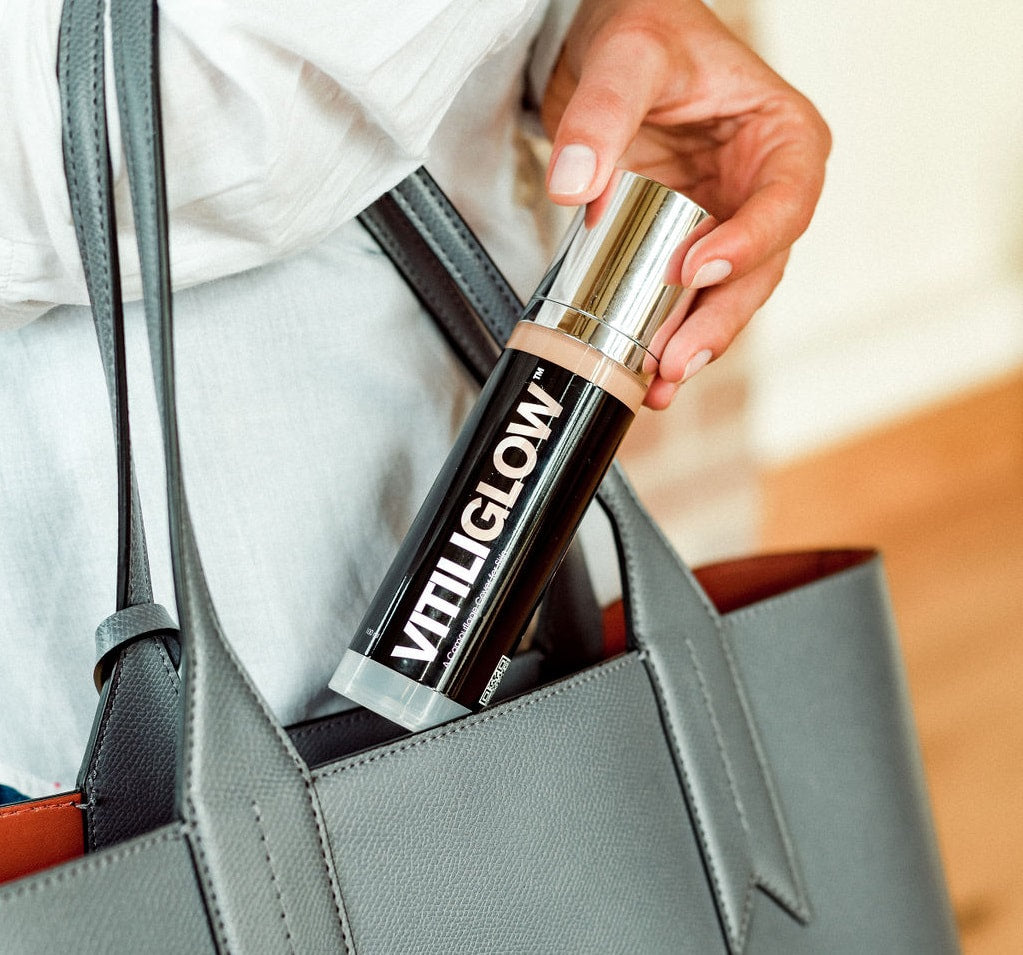
Vitiliglow is still in business. The company runs an active website where the camouflage foundation is sold directly, and the product range has actually grown since the Den, with more shade options than it launched with. For a niche personal care brand built around a specific skin condition, staying open and expanding the shade range years later is a solid outcome.
The Pitch in the Den
Founder Polly Gotschi, who has vitiligo herself, pitched Vitiliglow in series 13, episode 5. The product is an all-in-one skin camouflage foundation designed to blend seamlessly with the wearer's natural skin tone while staying water resistant, sweat proof and transfer resistant, all qualities that matter enormously to someone trying to cover depigmented patches confidently through an ordinary day.
She asked for £38,000 for 40 percent of the business. It is a modest ask by Den standards, which tends to draw more competitive interest from Dragons who see the founder as intimately connected to the problem she is solving.
A Genuine Bidding Contest
Touker Suleyman offered to put up the full amount for a 50 percent stake, more equity than Gotschi had asked for. When Sarah Willingham came in with a competing offer, Suleyman revised his terms down to try to hold onto the deal. Gotschi ultimately chose to go with Sarah Willingham instead.
That kind of back-and-forth, where a Dragon sweetens or trims their terms mid-negotiation in response to a rival offer, is exactly the moment the Den is built to produce. It also tends to be a good sign for the founder: two experienced investors independently deciding the numbers make sense is a stronger vote of confidence than a single uncontested offer.
What Sarah Willingham Brought to the Table
Willingham built her reputation in hospitality and consumer brands before joining the Den, and her interest in Vitiliglow reflected a broader pattern of backing founders who are personally embedded in the problem they are solving, rather than founders who spotted a market gap from the outside.
For a product that lives or dies on trust, someone with vitiligo choosing to cover their skin with a foundation made by someone who understands the condition from the inside, that founder credibility is a real commercial asset, and it is the kind of thing an experienced consumer investor knows how to build on.
How the Business Has Grown
Since the Den, Vitiliglow has changed manufacturer and expanded its shade range considerably, growing from five shades at launch to eleven. That is a meaningful jump for a small personal care brand, and it suggests the company found a manufacturing partner able to support broader production without pricing the product out of reach.
The company continues to run its own direct-to-consumer website, where customers order shades matched to their skin tone. There is no indication it currently sells through Amazon or major retail chains, so the direct site remains the place to buy.
A Niche That Was Genuinely Underserved
Vitiligo affects a comparatively small share of the population, which is exactly why mainstream cosmetics companies had historically done a poor job serving it. Most conventional foundations are not designed to fully cover depigmented patches or to survive the sweat and friction of an ordinary day without visibly wearing away, which left a real, specific gap that a founder with vitiligo herself was well placed to notice and fill.
That kind of tightly targeted niche can be a double-edged sword commercially: a smaller addressable market than a mass-market beauty brand, but far less competition and much deeper customer loyalty once trust is established. Vitiliglow's continued operation and shade expansion suggests the loyalty side of that trade-off has worked in its favour.
Where Things Stand Now
To recap: Vitiliglow asked for £38,000 for 40 percent in series 13, drew competing offers from Touker Suleyman and Sarah Willingham, and the founder chose to go with Willingham. Years on, the brand is still trading, still selling directly through its own website, and has expanded its shade range from five to eleven.
For anyone who found this page wondering whether Vitiliglow survived its Den appearance, it did, and by most available signs it is in better shape today than it was on the day it pitched.
As an Amazon Associate, Dragons' Den Index earns from qualifying purchases.
Where to buy Vitiliglow
Still selling as of 8 May 2026. Check today's price and availability.
Affiliate link — we may earn a commission at no extra cost to you.
See the full Vitiliglow deal breakdown and term sheet →
More from Health & Wellness
 No Deal
Elite Sport
Protein nutritional supplements
 Deal
DealFoot Deodoriser
Sanitiser that kills bacteria within shoes
 Deal
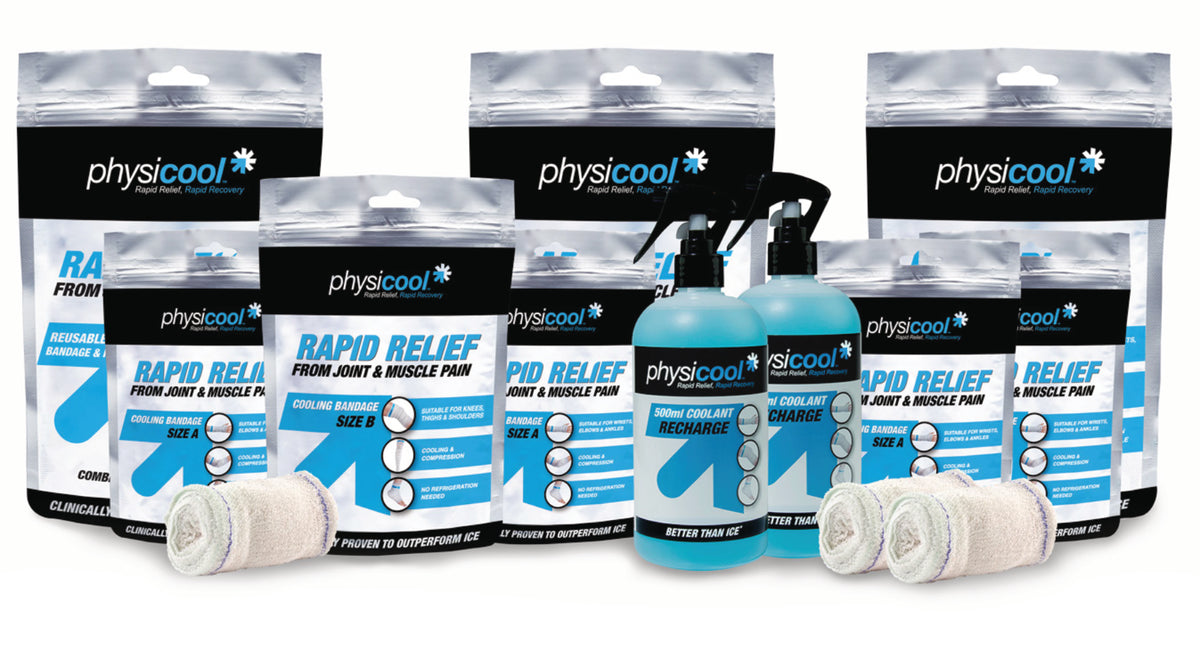
DealPhysicool Ltd
A bandage that reduces the temperature gently via evaporation
 No Deal
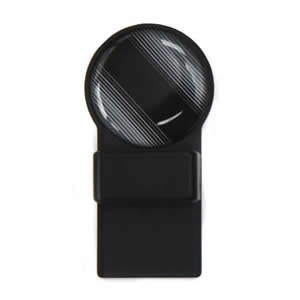
To Zo
Wearable folder for spectacles and sunglasses