Season Recap
Dragons’ Den Season 1 Recap: Every Deal Worth Knowing
Season 1 by the numbers: 61 pitches, 8 deals, the biggest checks, and the products that are still selling.
Series 1 is where all of it started. Filmed and aired in 2005, it introduced the format that has run for two decades since: entrepreneurs walk into a room, pitch to a panel of investors, and either walk out with a deal or without one. Our index logs 61 pitches from that first run, of which 8 landed a deal, a strike rate of 13 percent.
There was no prior series to compare it to, so series 1 set the baseline everything since has been measured against. Here is what actually happened in it, and how much of the modern show's DNA was already in place from episode one.
The Numbers
Of the 61 businesses that pitched in series 1, 8 secured investment, and the Dragons put a combined £499,000 behind them across the series. A 13 percent close rate looks low by later-series standards, but this was a brand new format finding its footing, with a panel and a production team still working out exactly what worked on screen and what did not.
£499,000 across a full series works out to a fairly modest average deal size once spread across the 8 successful pitches, well under £70,000 per business. Later series would push that average higher as the show's profile grew and both the calibre of founders and the size of the cheques on offer increased.
The Biggest Deal
The standout deal of the series went to Visual Talent Ltd, which took £175,000 from Peter Jones for 40 percent of the business. It remains, on the raw numbers, the single largest deal recorded in series 1, and a sign of Peter Jones's early appetite for writing the biggest cheques on the panel, a role he has kept for most of the show's history since. Peter Jones has appeared in every series broadcast to date, and series 1 is where that run of unbroken attendance began.
£175,000 for 40 percent values the business at a shade under £440,000, a meaningful sum for a first-series pitch in a format nobody watching at home had seen before. It set an early tone that the Den was not simply a novelty format handing out token cheques for entertainment value.
What the Dragons Were Backing
The top categories in series 1 were a broad spread: general consumer businesses filed under Other led the way, followed by Sports & Outdoors and Fashion & Beauty. That mix reflects a Den still figuring out its identity. Later series would lean harder into tech and kids' products as those categories proved themselves, but series 1 was open to almost anything a founder could carry into the studio.
That breadth is itself a useful data point. Without an established track record to draw on, the original panel, which did not yet include Deborah Meaden, Theo Paphitis or several of the names now associated with the show's golden years, was essentially learning in public which categories worked on screen and which did not.
Who's Still Trading
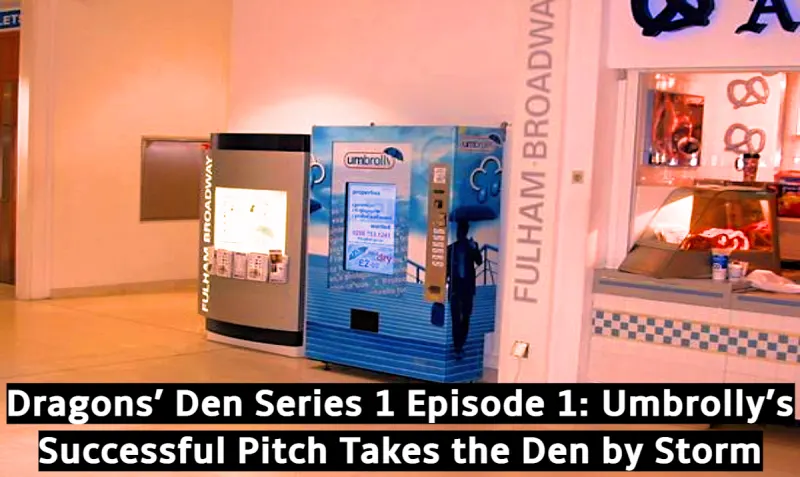
Remarkably, several series 1 businesses are still active today, more than two decades on. Umbrolly, Le Beanock, Mycorrhizal Systems and Elizabeth Galton Ltd are all tracked as still selling in our index. For a first series with no template to follow and a much lower close rate than the show would later settle into, having four confirmed long-term survivors out of just 8 deals is a solid result, a 50 percent survival rate among the businesses that got funded.
That is a reminder that a low close rate does not necessarily mean weak businesses got through. The Dragons in series 1 may have said no far more often than they would in later series, but the yeses they did give out have held up remarkably well over time.
Series 1 in Context
With no prior series for comparison, series 1's 13 percent close rate simply is what it is: the starting point. Every recap from series 2 onward measures itself against a number that traces back to this run. What series 1 proved, more than any single deal, was that the format worked well enough on screen to get commissioned again, and that turned out to be the more important outcome.
Twenty years and more than twenty series later, the format has barely changed. Founders still walk into the same kind of room, face the same kind of panel, and make the same kind of pitch. Series 1 is the reason any of that exists to recap at all.
The season's biggest deals
Season 1 products still selling today
These pitches turned the season's exposure into a lasting business, and you can still buy them:
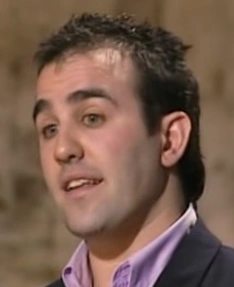 No Deal
Art Out There
An annual arts and music, outdoor weekend event
 No Deal
Baby Dream Machine
Aid for rocking baby cots
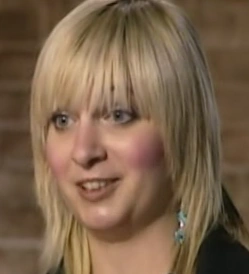 No Deal
Emand Jo Ltd
Womenswear, fashion and accessories
 Deal
DealUmbrolly
Multimedia vending unit selling umbrellas and adverts
All 61 Season 1 pitches
Browse the full season episode by episode, with deal terms and where to buy each product.