Product Update
Is Standby Saver Still in Business? (2026 Update)
Is Standby Saver from Dragons’ Den still around in 2026? The deal it made, the dragons who invested, and where to buy Standby Saver today.



Where to buy Standby Saver
Check the current price and availability on Amazon.
Affiliate link — we may earn a commission at no extra cost to you.
Standby Saver pitched a device designed to cut standby power to home appliances in series 4 of Dragons' Den, asking for 100,000 pounds for half the business. It made history on the night for an unusual reason, and then quietly stopped trading a few years later.
The short answer
No, Standby Saver is not still in business. The underlying company was dissolved by 2014, after the original investment deal collapsed over a patent problem.
The pitch
Standby Saver appeared in series 4, episode 6, in the Electronics category. Inventors Peter Ensinger and David Baker pitched a six-way extension socket that used intelligent detection to cut power to peripherals once a main device, a television or a PC, was switched off or powered down, eliminating the small but constant drain of standby power across a household's electronics. They asked for 100,000 pounds for a 50 percent stake.
The pitch landed unusually well. All five Dragons on the panel offered to invest, reportedly the first time that had happened in the show's history up to that point, which made for one of the more memorable moments of that early run. Every household with a television or a games console has some form of standby power drain, which meant the two inventors did not have to work hard to convince the panel that the market for the idea existed, only that they were the right team to bring it to market.
Why the deal fell apart
Despite that unanimous on-air enthusiasm, the investment was never actually completed. According to public reporting, the deal collapsed because Ensinger and Baker were unable to secure a patent for the device, which understandably spooked investors who had just agreed to put real money behind it live on television.
A missing patent is a serious problem for a hardware product like this, since without protected intellectual property, competitors can copy the underlying idea almost immediately once it has been publicised on national television, which is exactly the kind of exposure a Dragons' Den appearance provides.
What happened next
Without the investment, and with a patent problem hanging over the core product, the business did not manage to build lasting momentum. Public company records show it was dissolved by 2014, roughly seven or eight years after its appearance on the show.
It is worth noting that the general idea of a standby-power-saving extension lead did not disappear from the market. Other manufacturers, including brands like Ecotek, continued selling similar infrared and USB-based standby savers in the years that followed, which suggests the underlying product concept had real demand even though this particular company could not capture it long term.
The lesson in the patent problem
A five-Dragon offer is a rare and genuinely exciting moment for any founder to experience on television, but it is also a reminder that on-air enthusiasm is not the same as a completed deal. Every Dragons' Den investment is contingent on due diligence holding up once the lawyers and accountants get involved after filming, and intellectual property protection is one of the most common things that trips up hardware pitches specifically, because a product concept without a defensible patent is much harder to value with confidence than one that is properly protected.
For a device built around detecting and cutting standby power automatically, the underlying idea itself, using a sensor to detect when a main appliance powers down and then switching off connected peripherals, was not necessarily unique enough to hold up under patent scrutiny once challenged, which likely explains why other manufacturers were able to keep selling similar standby-power products even as this particular company wound down.
It is a useful cautionary example for any founder pitching hardware on a televised platform, since the exposure that makes the show so valuable for building awareness is the same exposure that can undermine a founder's position if the intellectual property behind the product is not locked down before the cameras start rolling.
Our verdict
Standby Saver got the rare distinction of five Dragons offering to invest at once, but the deal never actually closed because of a patent problem, and the company was dissolved by 2014. It is not still in business today, even though the broader category of standby-power-saving devices has continued on without it, sold now by other manufacturers building on the same basic idea.
As an Amazon Associate, Dragons' Den Index earns from qualifying purchases.
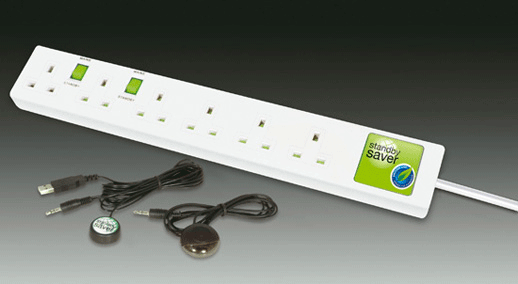
Where to buy Standby Saver
Still selling as of 5 April 2026. Check today's price and availability.
Affiliate link — we may earn a commission at no extra cost to you.
See the full Standby Saver deal breakdown and term sheet →
More from Electronics
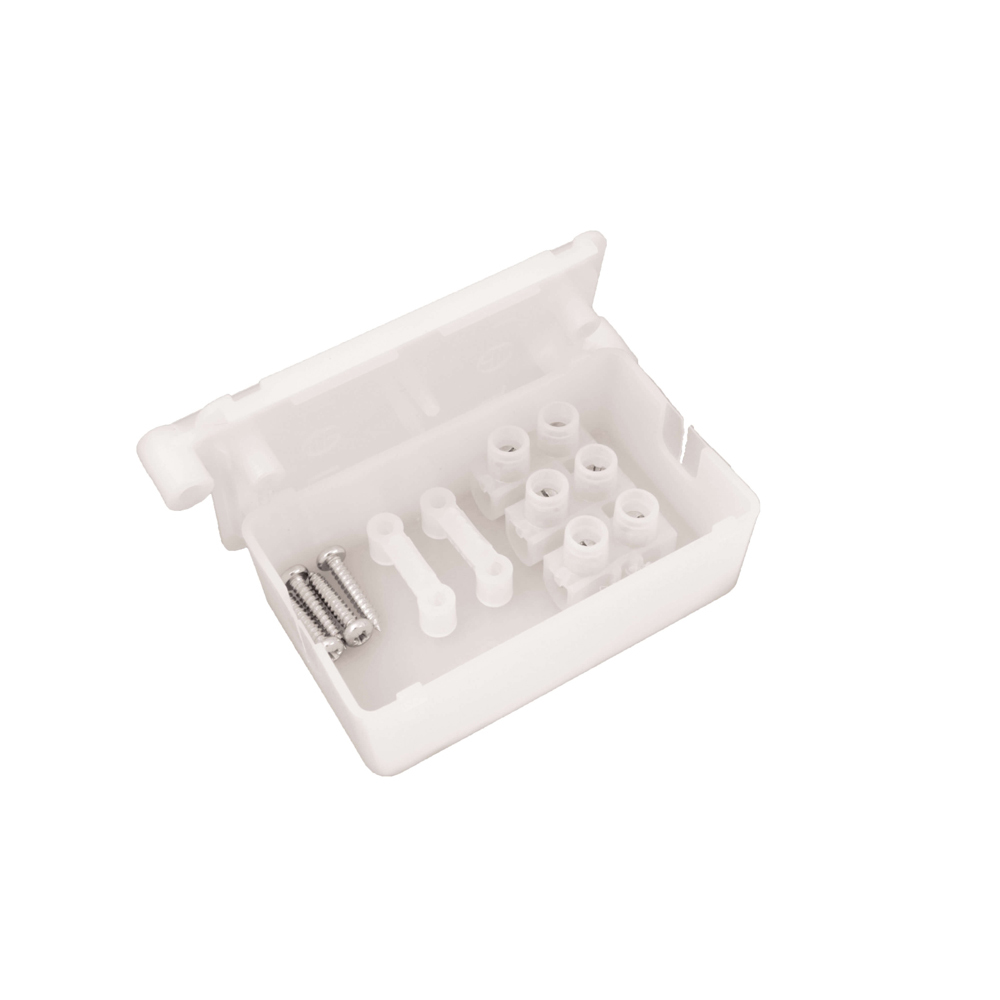 Deal
DealElectro Expo
Plastic housing that protects cable connections
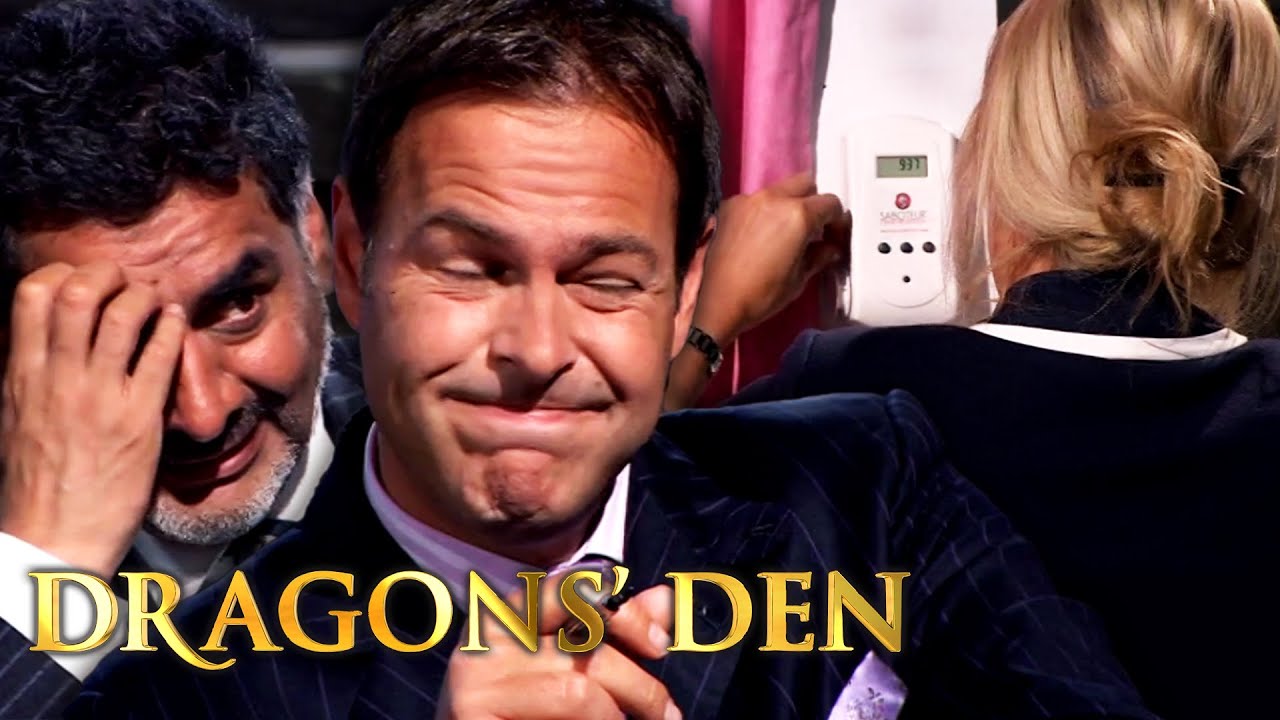 No Deal
Saboteur Crime Prevention
Electronic vision and sound projection devices
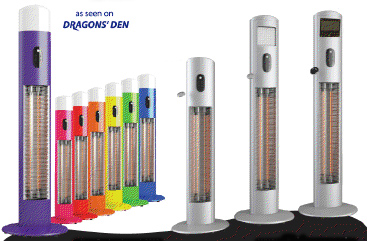 No Deal
Westhawk
Carbon fibre electric patio heaters
 Deal
DealTech 21
Protective cases for laptops, mobile phones etc. using a material called D30