Product Update
Is Tech 21 Still in Business? (2026 Update)
Is Tech 21 from Dragons’ Den still around in 2026? The deal it made, the dragons who invested, and where to buy Tech 21 today.

Where to buy Tech 21
Check the current price and availability on Amazon.
Affiliate link — we may earn a commission at no extra cost to you.
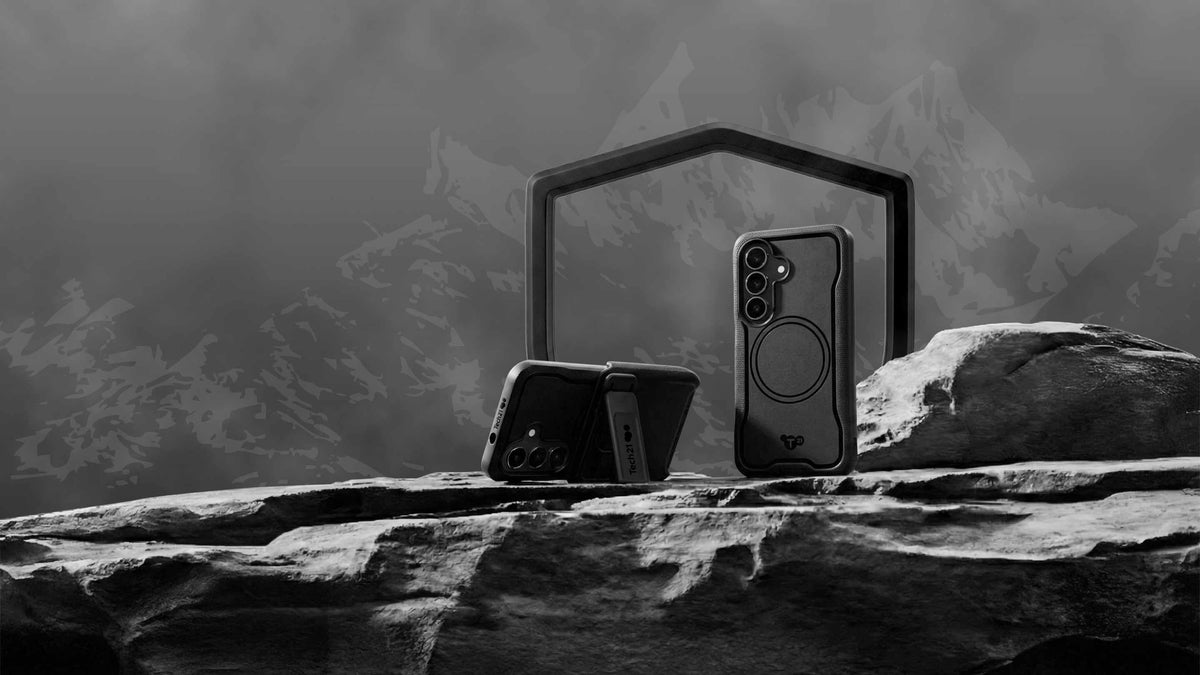
Tech 21 walked into the Den with a phone case brand built on a material called D30, the same impact-absorbing compound used in body armour. Jason Roberts asked for £150,000 and got a deal on air. What happened next turned into one of the more spectacular growth stories to come out of any Dragons' Den series, and the short answer to whether the company survives is an emphatic yes.
The Short Answer
Tech21 is still very much in business, and it is not a small operation. The brand now sells protective cases and screen protectors for iPhones, Samsung devices, MacBooks and more through its own website and through major retailers, including T-Mobile, Verizon and Target.
This is one of the clearest survival stories in the whole Dragons' Den archive. A company that pitched for £150,000 in the Den went on to post around £16 million in annual turnover within a few years, driven by design partnerships and a genuine reputation for drop protection that actually works.
The Pitch
Jason Roberts brought Tech 21 into the Den in series 7, episode 6, pitching protective cases for laptops and mobile phones built around D30, a non-Newtonian material that stays soft and flexible under normal handling but hardens instantly on impact. It was originally developed for defence and motorsport applications, and Roberts had adapted it for consumer electronics.
He asked for £150,000 in exchange for just 5 percent of the company, a low equity offer that reflected serious confidence in where the business was headed. The Dragons pushed back hard on that valuation.
The Deal That Almost Was
Theo Paphitis and Peter Jones offered the £150,000 Roberts wanted, but only for a much larger 40 percent stake, an eightfold increase on what he had originally offered. Roberts accepted on camera, which is why this pitch counts as a completed deal in our index.
What happened after filming is the more interesting part. By most accounts, Tech 21 never followed up with Paphitis or Jones once the cameras stopped rolling, choosing instead to grow the business independently. Whatever the exact reasoning, the company did not end up taking the Dragons' money, and it clearly did not need to.
How the Business Actually Grew
Without Dragons' Den funding, Tech21 went on to land design and manufacturing relationships tied to Apple and Samsung devices, building a reputation among mobile carriers and retailers for cases that hold up to real drop testing rather than just marketing claims. The company later developed FlexShock, an updated visco-elastic impact material, moving beyond the original D30 formulation.
Reports from a few years after the pitch put Tech21's growth at roughly 1000 percent over a short stretch, with turnover reaching into eight figures. That is a scale most Den pitches, deal or no deal, never come close to.
Why Turning Down the Dragons Paid Off
Tech21's story is a useful counterpoint to the assumption that a Dragons' Den deal is always the thing that makes a business. Roberts had already built a working product around a genuinely differentiated material, and what he needed most was distribution relationships with major electronics makers and mobile carriers, not necessarily a cash injection from two investors demanding 40 percent of the company.
By staying independent, Roberts kept full control of those negotiations as Tech21 grew, including the design partnerships that eventually connected the brand to Apple and Samsung accessory lines. Giving up 40 percent equity at an early stage would have meant sharing a much larger slice of the upside once that growth actually arrived.
Where Things Stand Now
Tech21 today operates as an established, multi-market accessories brand rather than a scrappy startup. Its products sit on shelves at major US and UK mobile carriers and big-box retailers, and the company markets itself around scientifically tested drop protection rather than the single D30 gimmick that first got it airtime.
For a company whose Dragons' Den deal never actually closed, that is about as strong an outcome as this show produces. Sometimes the best evidence a pitch did not need the money is what the business becomes without it. It is also a useful reminder for anyone researching Dragons' Den alumni that a rejected or collapsed deal is not remotely the same signal as a failed business, and in a handful of cases, like this one, it turns out to be the opposite.
As an Amazon Associate, Dragons' Den Index earns from qualifying purchases.
Where to buy Tech 21
Still selling as of 12 April 2026. Check today's price and availability.
Affiliate link — we may earn a commission at no extra cost to you.
See the full Tech 21 deal breakdown and term sheet →
More from Electronics
 Deal
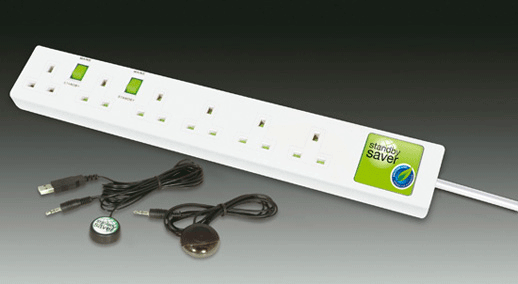
DealStandby Saver
Device that cuts off electric current to home appliances on stand-by
 Deal
DealElectro Expo
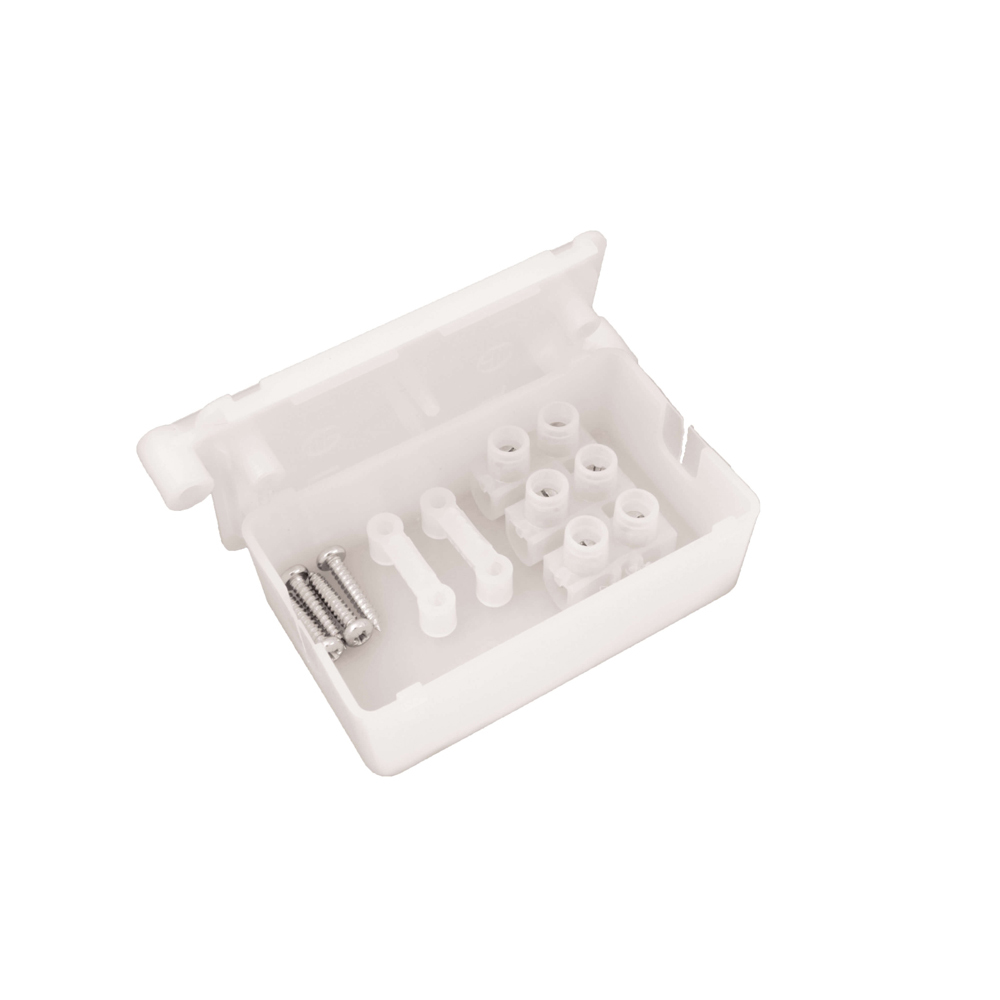
Plastic housing that protects cable connections
 No Deal
Saboteur Crime Prevention
Electronic vision and sound projection devices
 No Deal
Westhawk
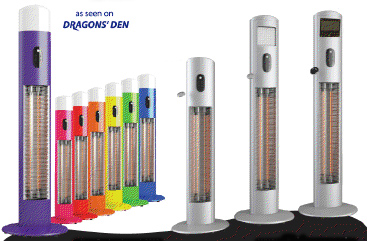
Carbon fibre electric patio heaters