Product Update
Is Sibstar Still in Business? (2026 Update)
Is Sibstar from Dragons’ Den still around in 2026? The deal it made, the dragons who invested, and where to buy Sibstar today.


Where to buy Sibstar
Check the current price and availability on Amazon.
Affiliate link — we may earn a commission at no extra cost to you.
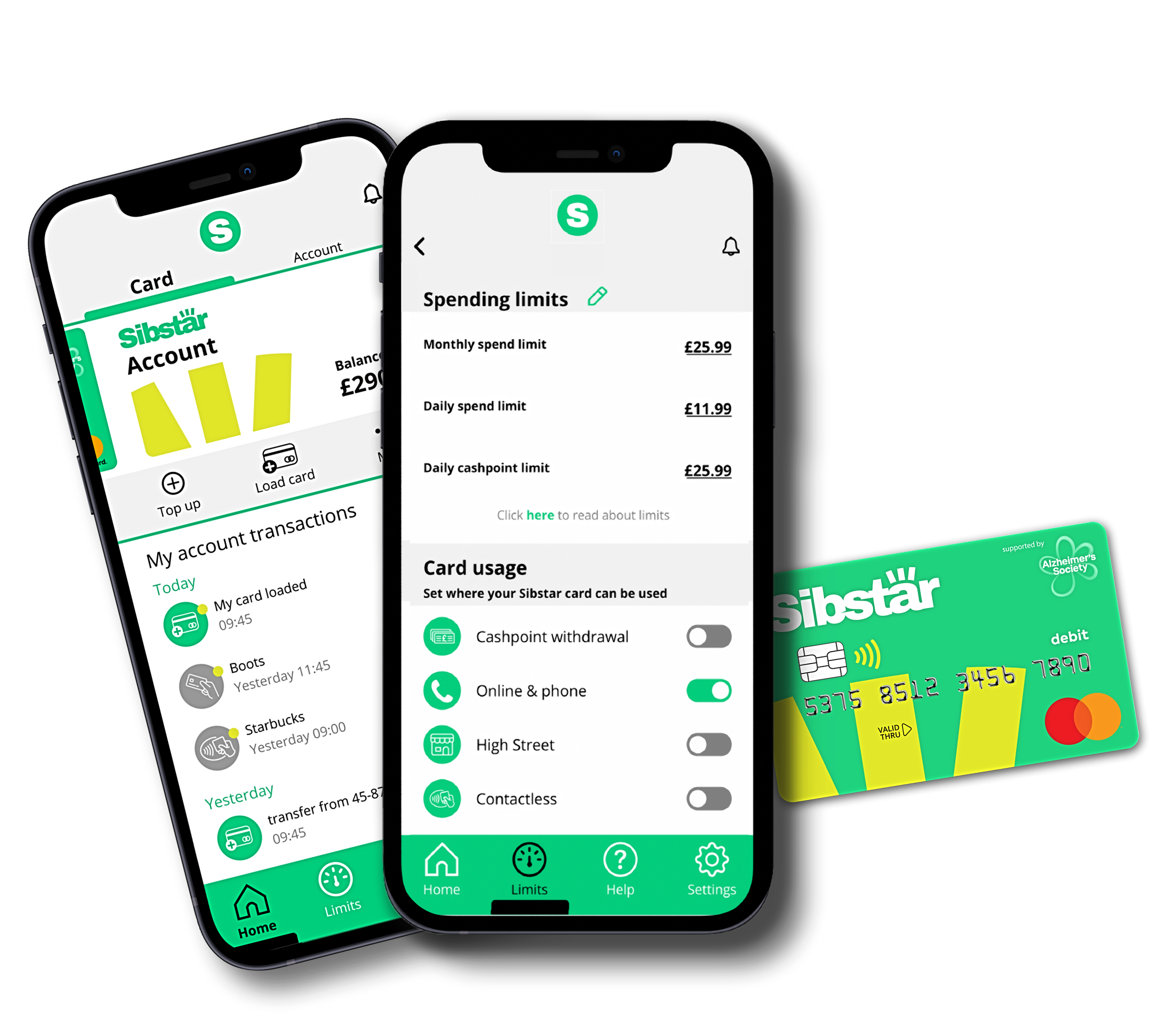
Sibstar pitched a debit card and app built for people living with dementia, giving families a way to let a loved one keep some financial independence while limiting the risk of fraud or overspending. The short answer is yes, it is still in business, and it has been actively raising money to grow since the pitch aired.
The Short Answer
Sibstar is still trading. The company has continued to raise funding through crowdfunding platforms after the Dragons' Den investment, which only makes sense for a business that is still operating, still has customers, and still needs capital to keep building its product.
The company has no Amazon listing and no traditional retail presence, which fits a financial services product delivered through a debit card and companion app rather than a physical shelf item.
The Pitch
Founders Jayne Sibley and Martin Orton brought Sibstar to the Den in Series 21, Episode 9. The pitch addressed a genuinely underserved problem: standard banking products are not designed for people with dementia, learning difficulties, or those in recovery, who may need spending limits, oversight, and safeguards that mainstream banks do not offer.
The founders asked for £125,000 in exchange for 10 percent of the business, a straightforward ask for a fintech product built around a clear social need.
Dementia affects hundreds of thousands of families in the UK, and money is consistently one of the hardest parts of caring for someone whose capacity is changing. Families are often left choosing between two bad options: taking away a loved one's bank card entirely, which can feel like a loss of dignity, or leaving full access in place and hoping nothing goes wrong. Sibley and Orton pitched their card as a middle path, and that clear framing of the problem is likely part of why the pitch resonated as strongly as it did.
The Deal
Deborah Meaden backed the pitch, with Sara Davies also involved, putting together the full £125,000 for the 10 percent stake on the table. Meaden has consistently gravitated toward businesses solving a genuine, well-evidenced problem rather than chasing a trend, and a card built to protect vulnerable adults' finances fits that pattern closely.
For a company operating in financial services and dealing with vulnerable customers, having investors who understand both consumer trust and regulatory scrutiny matters more than it might for a typical consumer product pitch.
The card itself works by letting a family member set spending limits, receive alerts, and view transactions, while still giving the cardholder day-to-day autonomy over small purchases, a balance that mainstream banking products simply are not built to strike. That specificity, solving one clearly defined problem for one clearly defined group of families, tends to travel well with investors who have seen plenty of vague, broadly-targeted fintech pitches fail to find real customers.
What Happened After the Cameras Stopped
Sibstar has continued building out its funding base well beyond the Dragons' Den cheque. The company has raised further money through crowdfunding, pulling in contributions from well over a hundred individual investors on top of grants and equity funding it had already secured, bringing its total backing into seven figures.
That pattern, going back to the market for more capital after a televised deal, is common for fintech and healthtech products that need ongoing development and regulatory work rather than a single injection of cash. It is also a reasonably strong signal that the underlying business has enough traction and investor confidence to keep attracting new money.
Building a card product also means clearing a genuinely high regulatory bar, including working with a card issuing partner and meeting the compliance standards that come with handling money for vulnerable customers. Reaching multiple funding rounds without stalling out on that regulatory groundwork is itself evidence that the company has kept moving forward rather than getting stuck in the kind of early-stage limbo that quietly ends a lot of fintech start-ups.
Where Things Stand Now
Sibstar pitched in Series 21 for £125,000 at 10 percent, and closed with Deborah Meaden and Sara Davies.
Today the company remains active, continuing to raise funds and develop its product for a genuinely underserved group of customers. If you are asking whether the dementia-friendly debit card made it past its Den appearance, the evidence says yes, and the business has kept growing since.
As an Amazon Associate, Dragons' Den Index earns from qualifying purchases.
Where to buy Sibstar
Still selling as of 11 January 2026. Check today's price and availability.
Affiliate link — we may earn a commission at no extra cost to you.
See the full Sibstar deal breakdown and term sheet →
More from Health & Wellness
 No Deal
Elite Sport
Protein nutritional supplements
 Deal
DealFoot Deodoriser
Sanitiser that kills bacteria within shoes
 Deal
DealPhysicool Ltd
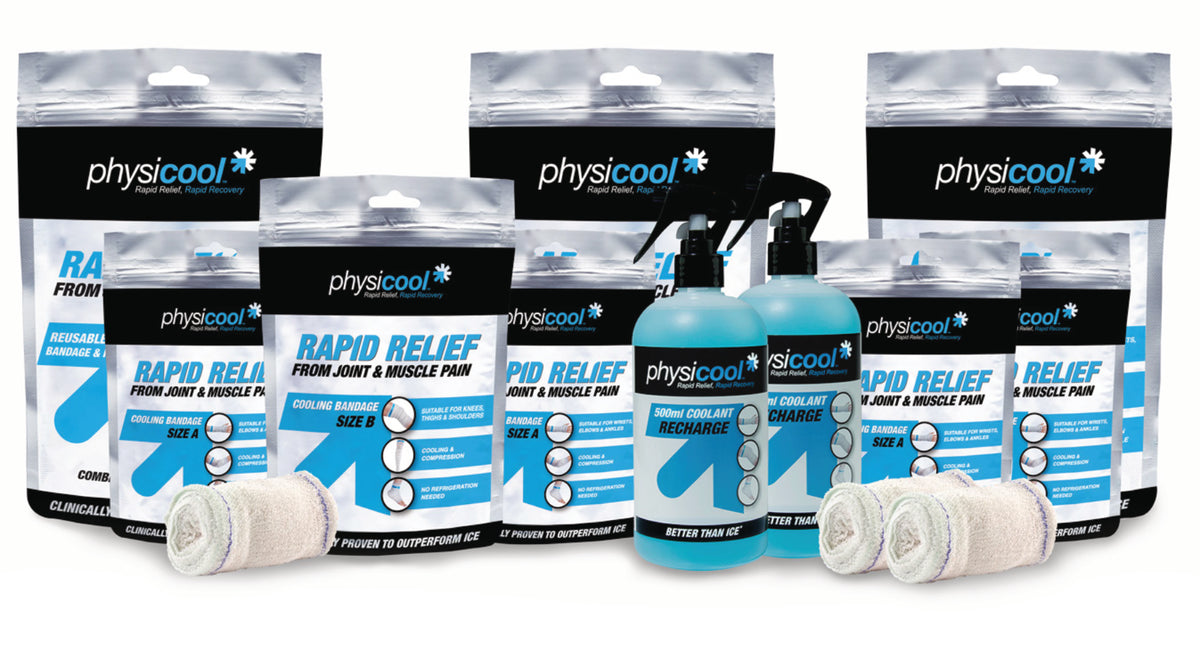
A bandage that reduces the temperature gently via evaporation
 No Deal
To Zo
Wearable folder for spectacles and sunglasses