The Underdogs
Famous Dragons’ Den Rejects That Succeeded Anyway
The dragons passed. The companies won. The biggest Dragons’ Den no-deal success stories, proof that walking out empty-handed isn't the end.
Around 70 percent of pitches on Dragons' Den leave without a deal. Most of those businesses fade quietly, but a handful went on to build something bigger than anything the Dragons offered them that day. Here are five of the best-known Dragons' Den rejects that succeeded anyway, and what actually happened after the cameras stopped rolling.
These stories get retold so often precisely because they cut against the format's own premise. The show is built around the idea that the panel's judgement is worth watching, yet its most famous long-term winners are frequently the pitches it turned down.
Trunki: the one everyone remembers
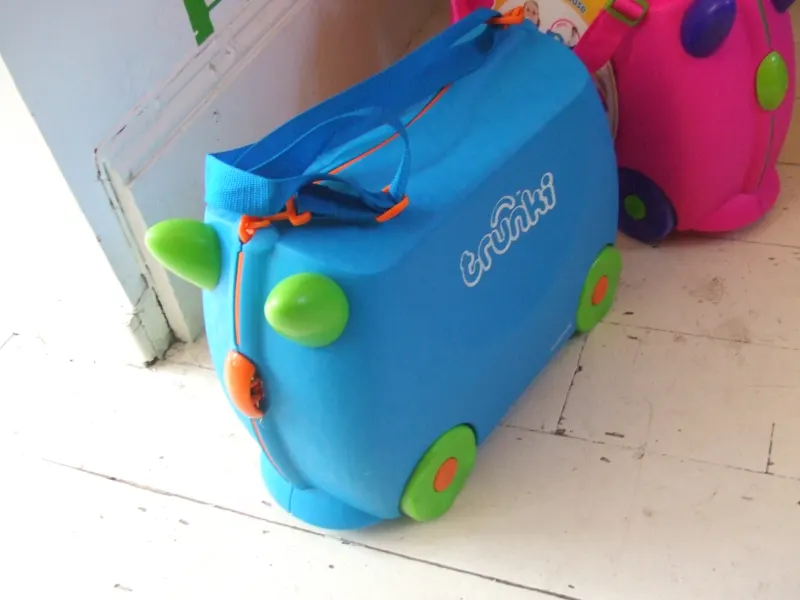
Rob Law pitched his ride-on children's suitcase, Trunki, in series 3 and left with no deal after the Dragons doubted the design. The moment that sealed it was the carry strap coming away on air, live evidence for the panel's scepticism. Law kept going regardless, and Trunki grew into a global children's travel brand that has sold millions of cases since.
It is the single most cited 'one that got away' in the show's history, and deservedly so, given how directly the Dragons' criticism was proven wrong by the market. Trunki later became the subject of a well-publicised Supreme Court design rights case against a rival product, a level of commercial significance that few Dragons' Den pitches, funded or not, ever reach.
Tangle Teezer: dismissed as 'hair-brained'
Shaun Pulfrey pitched the Tangle Teezer detangling hairbrush in series 5 and was turned down flat. Peter Jones dismissed the idea as 'hair-brained', a line that has followed the product ever since. Tangle Teezer went on to become a genuine worldwide bestseller, stocked in salons and shops across dozens of countries, and the gap between the panel's verdict on the night and the brush's actual commercial life remains one of the widest of any Dragons' Den rejection.
Pulfrey has spoken publicly in later years about how personally the rejection stung at the time, which makes the brush's eventual global success an even sharper contrast to the reaction it got in the Den.
She-Wee: still trading years later
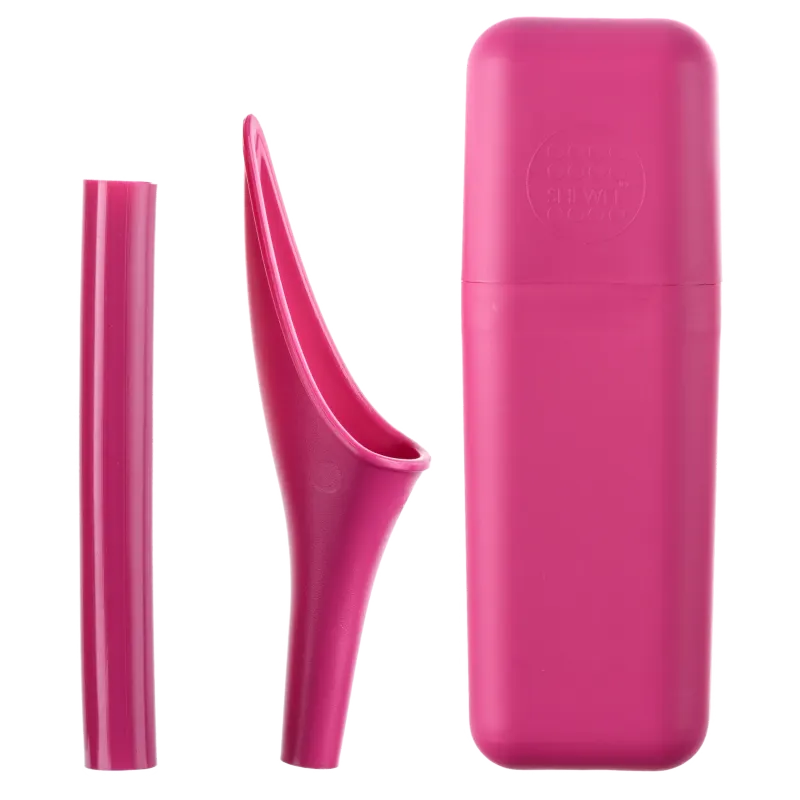
The She-Wee female urination device got no deal in series 2, but its founders kept trading anyway. It remains a widely stocked festival, travel and outdoor product years later, proof that a niche, practical product does not need a Dragon's cheque or a Dragon's endorsement to find a loyal customer base. It is one of the earliest examples in the show's history of a no-deal pitch outliving the episode it appeared in by a wide margin, and its longevity says something about how durable a genuinely well-solved practical problem can be as a business, regardless of how the pitch itself lands on the night.
Cuddledry: built a lasting parenting brand
Cuddledry, the hands-free hooded baby bath towel, left series 5 without a deal. The founders built a lasting parenting-products brand around the original towel regardless, and the company is still selling today, a good example of how a single well-designed product can support years of steady trading even without television investment behind it.
Playbrush: no deal, kept building
Playbrush, the smart attachment that turns children's tooth-brushing into a game, pitched in series 15 and also left without a deal. The founders kept building the business anyway, and it is still going today, part of a wider wave of connected children's health products that has grown well since the pitch first aired.
Why no deal isn't the end of the story
With a no-deal rate of roughly 70 percent, the Den rejects far more pitches than it funds. That is not necessarily a verdict on the underlying business. Dragons pass for all sorts of reasons that have nothing to do with product quality: the valuation is off, the category is outside their expertise, or five investors simply cannot agree on terms in the ten minutes of screen time the format allows. Trunki and Tangle Teezer in particular show that the panel's on-air judgement, however confidently delivered, is not the final word on whether a product will work.
For anyone watching the show and wondering whether a no-deal pitch is worth following up on, these five stories are the answer. The common factor in every one of them is a founder who treated the rejection as a data point rather than a verdict, and kept selling. None of them redesigned the product to please the Dragons after the fact; they largely kept the pitch they believed in and let the market decide instead.
Trunki
Season 3 · asked £100,000 for 10%
Rob Law brought his ride-on children's suitcase into the Den and the pitch went badly. As he demonstrated it, the carry strap snapped clean off, and the dragons pounced on the fault and passed. Law walked out with nothing. Trunki went on to become one of the best known children's travel brands in Britain, sold in dozens of countries and millions of homes, and is now the go-to reference for the most famous miss in the show's history.
Tangle Teezer
Season 5 · asked £80,000 for 15%
Shaun Pulfrey pitched his detangling hairbrush and got a flat no. One dragon dismissed the idea as "hair-brained" and the panel could not see past the crowded brush aisle. Pulfrey backed himself, kept going, and Tangle Teezer became a global bestseller, stocked in salons and shops around the world and selling tens of millions of units. The dragons who passed have been asked about it ever since.
Browse the no-deal alumni
Every rejected pitch is on the index, the next sleeper hit is probably in there.
 No Deal
Trunki
Luggage suitcase for children
 No Deal
Tangle Teezer
Detangling, blow-drying and styling hairbrushes
 No Deal
She Wee
Female toilet aid
 No Deal
Redfoot Shoes
Men and women's footwear
 No Deal
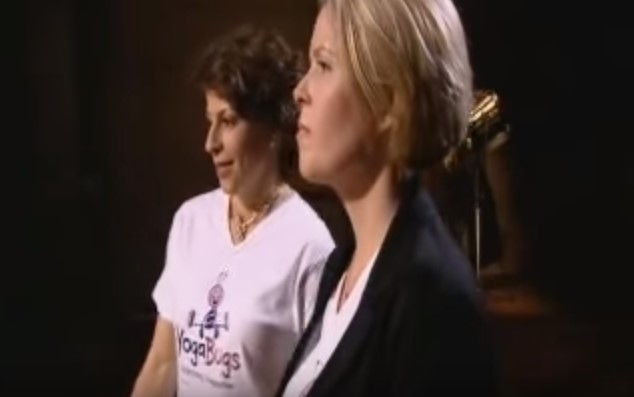
Yogabugs
Children's yoga and mindfulness activity
 No Deal
Itsa
Beach bag extending into a towel
Explore the full directory
Every product ever pitched on Dragons’ Den, with deal terms, the dragons who invested, and where to buy them today.